












Packaging Material Strategies in a Circular Economy
The transition to a circular economy is reshaping packaging strategies worldwide, moving away from the linear "take-make-dispose" model toward systems that prioritize resource efficiency and waste elimination. As a specialist in pulp molding, Suzhou Hanyang Paper Plastic Products Co., Ltd. provides innovative packaging solutions that align perfectly with circular economy principles. Their products, made from renewable and recyclable materials like virgin pulp, recycled paper pulp, and corrugated paper, demonstrate how businesses can implement effective packaging strategies that support sustainability goals. This article explores key packaging material strategies for the circular economy, focusing on material selection, design innovation, and lifecycle management.
Prioritizing Renewable and Recyclable Resources
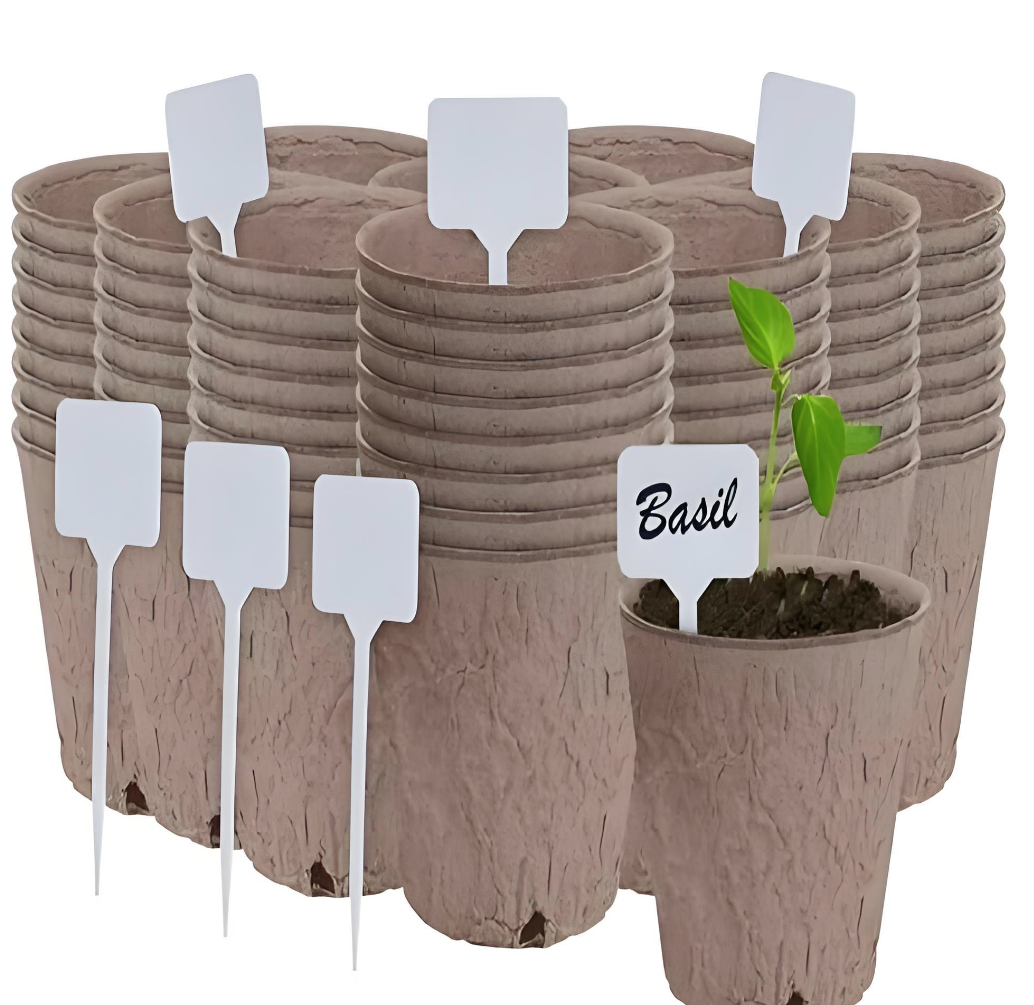
The foundation of circular packaging strategies lies in selecting materials that maintain value through multiple lifecycles. Hanyang's focus on paper-based materials—particularly virgin pulp from sustainable sources and recycled paper pulp—ensures that packaging can be continuously cycled back into the economy. Unlike plastics that degrade in quality during recycling, paper fibers can be recycled 5-7 times while maintaining structural integrity. This creates a continuous loop where packaging materials serve multiple purposes before eventually biodegrading safely. By choosing materials that are both renewable and recyclable, businesses can dramatically reduce their reliance on virgin resources and minimize waste generation. Hanyang's certification to ROHS, SVHC, and Halogen-free standards further ensures that these materials don't introduce harmful substances into the recycling stream, maintaining the purity of material cycles essential for circular economy success.
Creating Packaging for Multiple Lifecycles
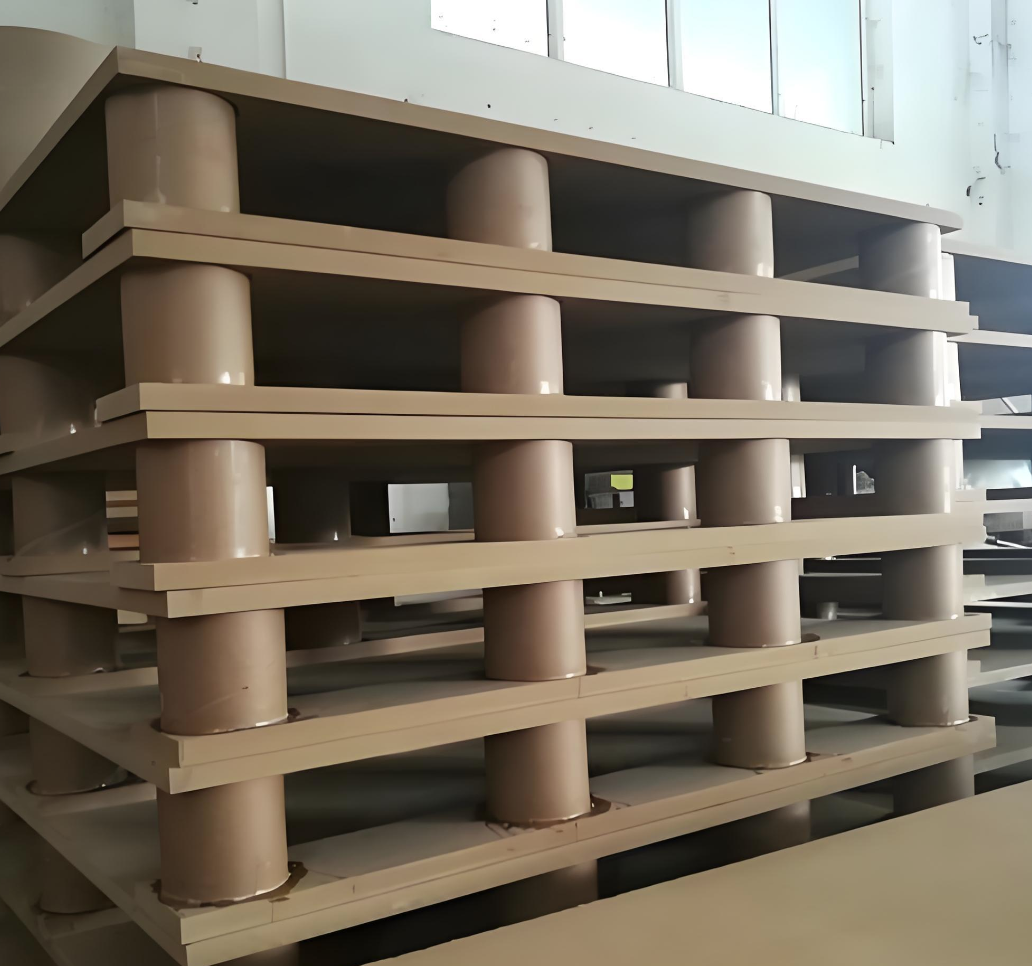
Circular economy principles require packaging designed for durability, recyclability, and disassembly. Hanyang's expertise in wet press and dry press molding techniques enables the creation of custom packaging that protects products during transportation while being easily recyclable afterward. Their designs consider the entire product lifecycle—creating packaging that stacks efficiently to reduce shipping volume, uses minimal material while maintaining strength, and separates easily for recycling. With over 500 mold designs, Hanyang can create specialized packaging for diverse industries while maintaining the simplicity of single-material construction that facilitates recycling. This approach contrasts with complex multi-material packaging that often ends up in landfills due to recycling difficulties. By designing with the end-of-life in mind, Hanyang helps businesses create packaging that transitions seamlessly between use cycles rather than becoming waste after single use.
Integrating Packaging into Circular Systems
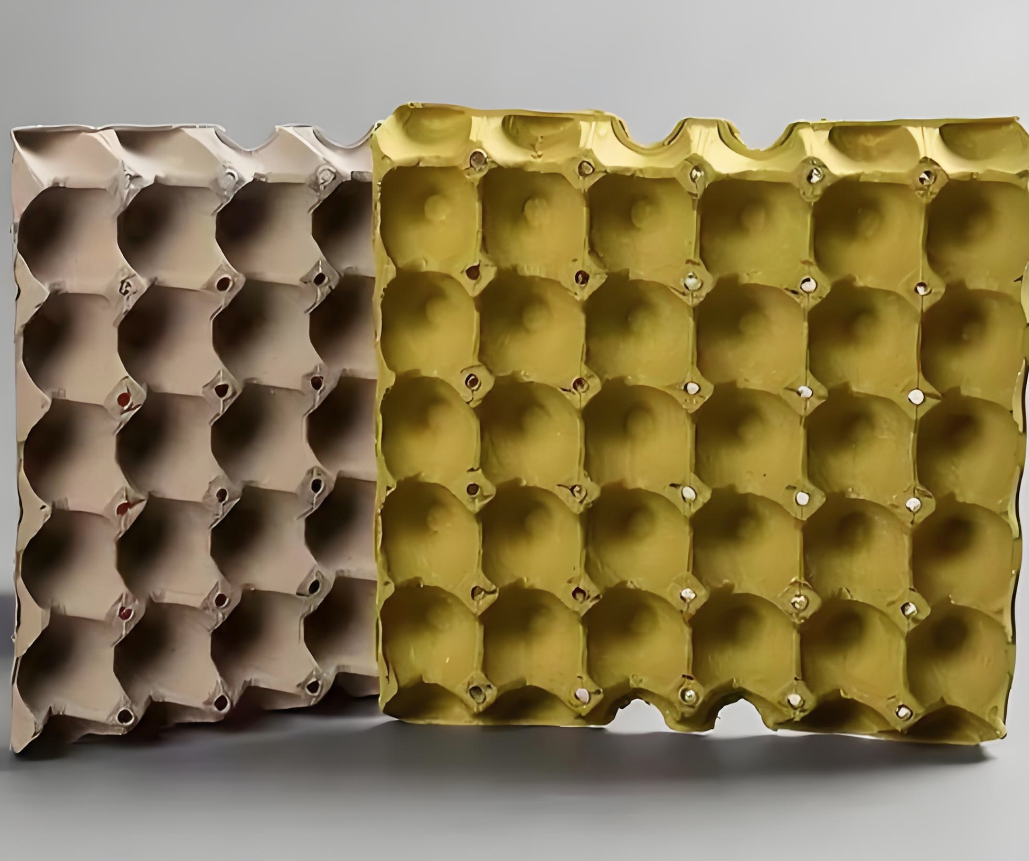
Effective circular strategies extend beyond material selection and design to encompass complete lifecycle management. Hanyang's packaging solutions fit seamlessly into reverse logistics systems where trays can be collected, recycled, and reintroduced as new packaging. Their 3-day delivery capability supports just-in-time manufacturing models that reduce inventory waste, while the packaging itself is designed for efficient recycling through established paper recovery systems. For businesses implementing take-back programs, Hanyang's durable pulp trays can withstand multiple uses before recycling, creating even greater resource efficiency. The company's compliance with international environmental standards ensures smooth integration into global supply chains where circular economy regulations are increasingly mandatory. This comprehensive approach to lifecycle management transforms packaging from a cost center into a value-generating asset that supports corporate sustainability targets and regulatory compliance.
Strategic Advantage Through Circular Packaging
Packaging material strategies in a circular economy represent both an environmental imperative and a business opportunity. Suzhou Hanyang's pulp molding solutions demonstrate how companies can achieve waste reduction, resource efficiency, and regulatory compliance while maintaining excellent product protection. As circular economy principles become increasingly embedded in global business practices, organizations that adopt these packaging strategies will gain competitive advantage through cost savings, enhanced brand reputation, and future-proofed operations. The transition to circular packaging isn't just about being environmentally responsible—it's about building resilient, efficient business models for long-term success.