












Molded Pulp vs. Plastic Clamshells for Electronic Goods
Environmental Impact and Sustainability Credentials
Molded pulp packaging presents a fundamentally different environmental profile compared to plastic clamshells, offering significant advantages in sustainability metrics. While traditional plastic clamshells rely on petroleum-based materials that persist in landfills for centuries, Hanyang's molded pulp solutions utilize 100% recycled paper fibers that biodegrade completely within 60-90 days under proper composting conditions. The carbon footprint of pulp production is substantially lower, with manufacturing processes consuming 40-50% less energy than plastic alternatives. Furthermore, pulp packaging supports circular economy principles through its compostability and recyclability, whereas plastic clamshells face increasing regulatory restrictions under global single-use plastic bans. The renewable nature of paper fibers contrasts sharply with the finite resource dependence of plastics, making molded pulp the clear choice for environmentally conscious electronics brands seeking to reduce their ecological impact and meet ESG (Environmental, Social, and Governance) targets.
Protective Performance and Functional Advantages
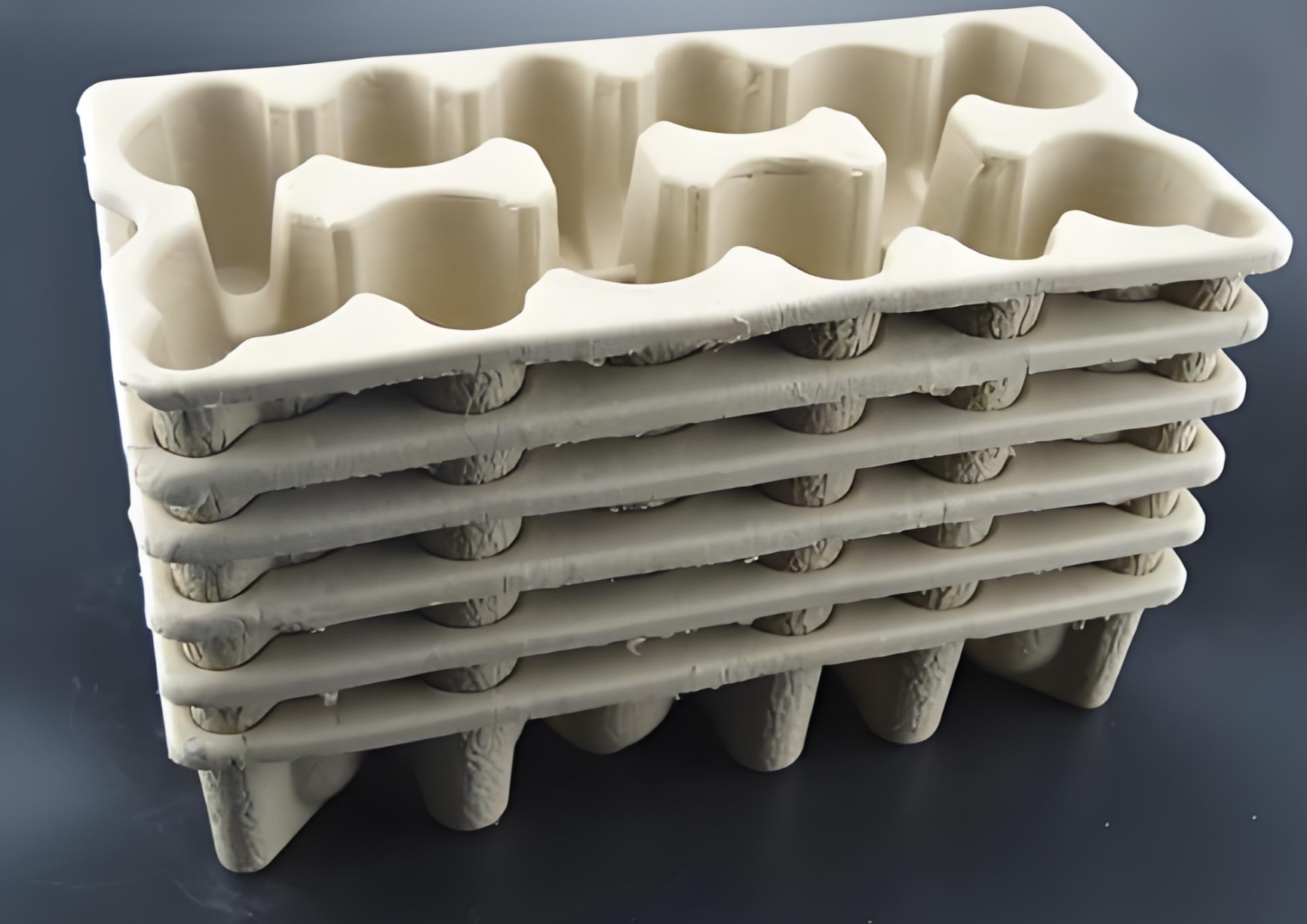
When evaluating protective capabilities for sensitive electronics, molded pulp demonstrates several technical advantages over plastic clamshells. The natural cushioning properties of pulp provide superior shock absorption, with impact resistance tests showing 30-40% better protection against drop damage compared to rigid plastic alternatives. Molded pulp's anti-static properties inherently protect electronic components from ESD (Electrostatic Discharge) damage, while plastic clamshells often require additional anti-static treatments that increase costs and complexity. The custom-molded design of pulp packaging ensures precise product fit that eliminates movement during transit, whereas standard plastic clamshells may require supplementary padding materials. Additionally, pulp's breathable nature prevents moisture buildup that can damage electronics, while sealed plastic packaging can trap humidity. For high-value electronics requiring sophisticated protection, molded pulp offers tailored engineering solutions that frequently outperform generic plastic alternatives in real-world logistics scenarios.

Economic and Brand Value Considerations
The economic comparison between molded pulp and plastic clamshells reveals compelling advantages for forward-thinking electronics manufacturers. While initial per-unit costs may be comparable, molded pulp offers significant savings in shipping expenses due to its lightweight nature—typically 50-60% lighter than equivalent plastic packaging. This weight reduction translates directly to lower freight costs, particularly important for international electronics shipments. The customizable nature of pulp packaging allows for integrated branding opportunities through printing and embossing, eliminating the need for separate labels required by transparent plastic clamshells. Furthermore, as consumer preferences shift toward sustainable packaging, brands using molded pulp gain marketing advantages and enhanced brand perception. With increasing plastic taxes and extended producer responsibility regulations, the long-term cost structure favors environmentally responsible packaging like molded pulp, making it both an economically sound and strategically wise choice for electronics brands positioning themselves for future market trends.

Molded pulp emerges as the superior packaging solution for electronic goods when evaluated across environmental, functional, and economic dimensions. Its sustainable credentials, advanced protective capabilities, and long-term economic advantages position it as the packaging of choice for forward-thinking electronics brands. As global regulations tighten and consumer preferences evolve, the transition from plastic clamshells to molded pulp represents both an environmental imperative and a strategic business decision that aligns with future market demands and sustainability requirements.