












Molded Pulp Packaging For Export: How To Reduce Shipping Damage
Export shipping can expose products to vibration, stacking pressure, container movement, repeated handling and long transit time. Molded pulp packaging helps reduce shipping damage by providing cushioning, positioning and sustainable protection for electronics, glassware, food packaging, appliances and industrial parts.
Get Quote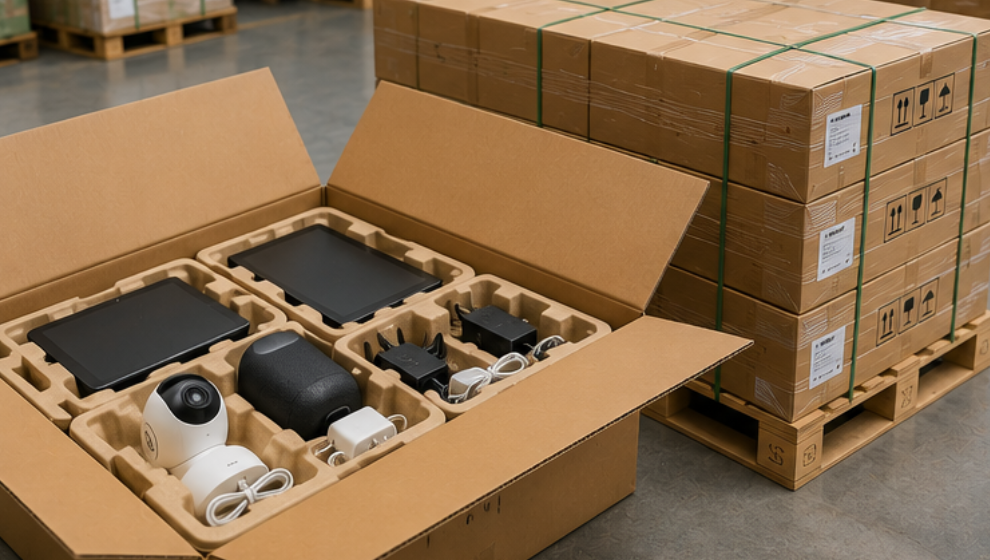
1. Identify Shipping Damage Risks Before Design
Before designing export packaging, buyers should understand the main damage risks during transportation. Common risks include drop impact, vibration, compression, carton collapse, product movement and direct contact between the product and outer carton.
Different products have different weak points. Electronics may need corner and screen protection. Glass products need impact cushioning. Industrial parts may need stable positioning to prevent scratches, deformation or collision during long-distance shipping.
2. Use Molded Pulp Inserts For Stable Product Positioning
One of the most important functions of molded pulp packaging is keeping products stable inside the carton. If the product moves during shipping, the risk of damage increases significantly.
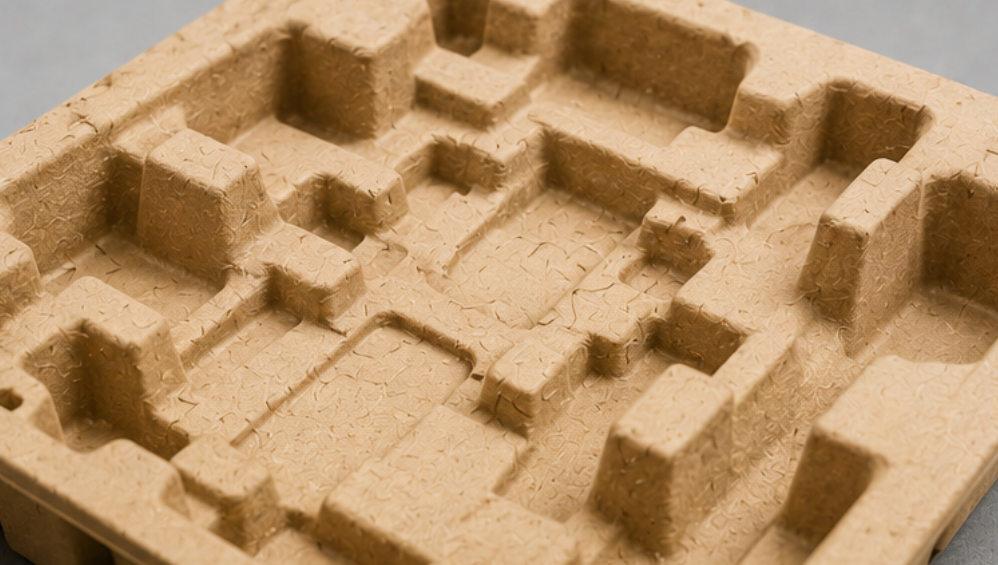
Custom molded pulp inserts should be designed according to the product size, weight, shape and fragile areas. Proper cavities, ribs and support points help fix the product in position while absorbing shock during handling and transport.
3. Match The Insert With Outer Carton And Pallet Loading
Molded pulp packaging should not be designed separately from the outer carton. The insert, product and carton must work together as a complete protective packaging system.
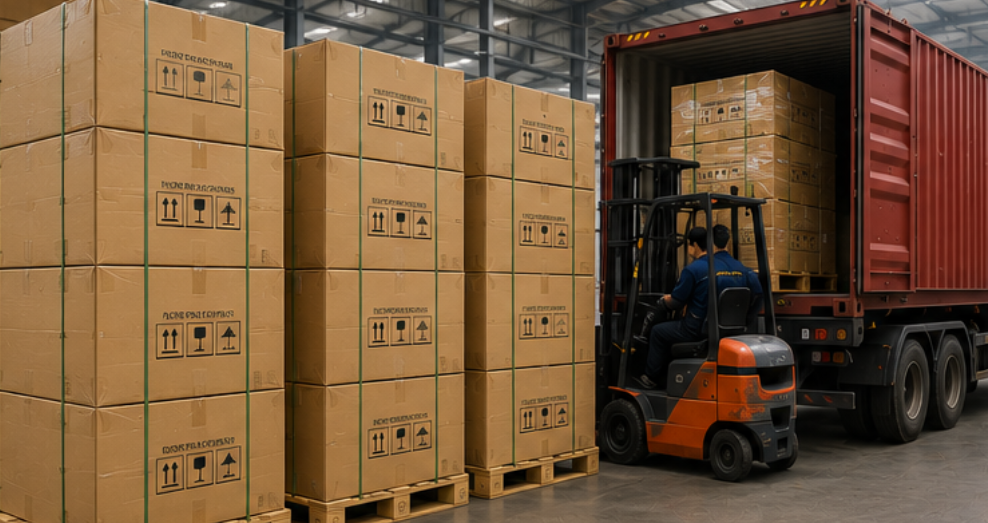
Buyers should consider carton size, tray stacking method, pallet layout and container loading efficiency. A good fit can reduce wasted space, improve stacking strength and lower the risk of carton deformation during export shipping.
4. Choose Proper Material Density And Tray Thickness
Material density and tray thickness affect cushioning performance and load-bearing ability. Lightweight products may use standard recycled pulp inserts, while heavier or fragile products may require thicker structures or higher-density materials.
Buyers should also consider moisture control, surface cleanliness and fiber shedding. For premium or sensitive products, cleaner molded pulp material and smoother finishing may improve both protection and presentation.
5. Test Packaging Before Bulk Export Orders
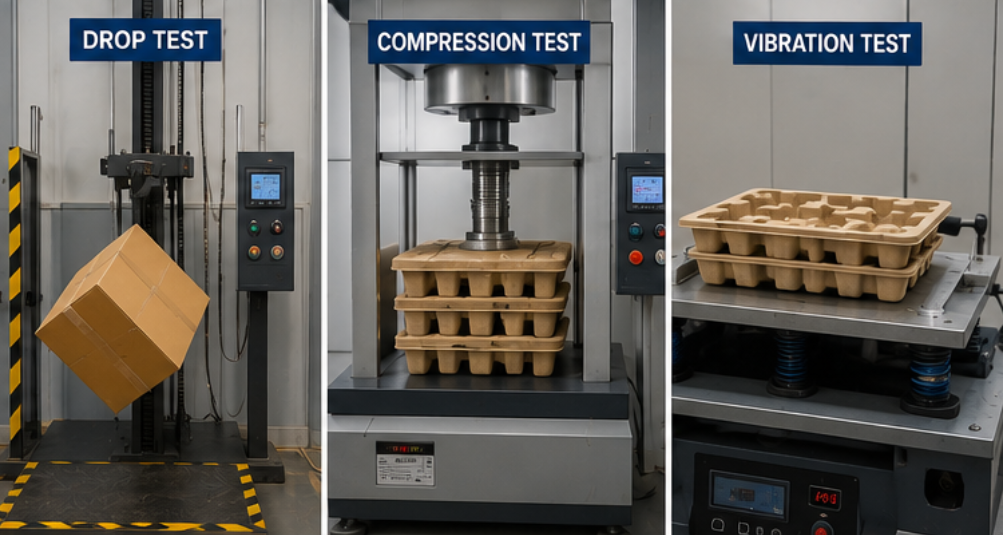
Before mass production, molded pulp packaging should be tested under real shipping conditions. Drop testing, compression testing and vibration testing can help verify whether the packaging provides enough protection.
Testing allows weak points to be corrected before bulk production. This is especially important for electronics, glass products, export retail goods and high-value industrial components.
6. Work With A Manufacturer That Understands Export Packaging
Export packaging requires practical experience. A reliable molded pulp packaging manufacturer should understand product protection, carton packing, pallet loading, container shipment and long-distance logistics risks.
Buyers should provide product drawings, samples, product weight, shipping method, destination market and carton requirements before quotation. This helps the manufacturer design a packaging solution that reduces damage and controls total logistics cost.
Need Export-Ready Molded Pulp Packaging?
Hanyang Paper provides custom molded pulp packaging, protective inserts, tray design, sampling and export packaging support for international orders.
Contact Us Get Quote