












Integrating Pulp Trays with Breathable Films for Preservation
The Synergy of Functionality: Combining Structural Protection with Active Atmosphere Management
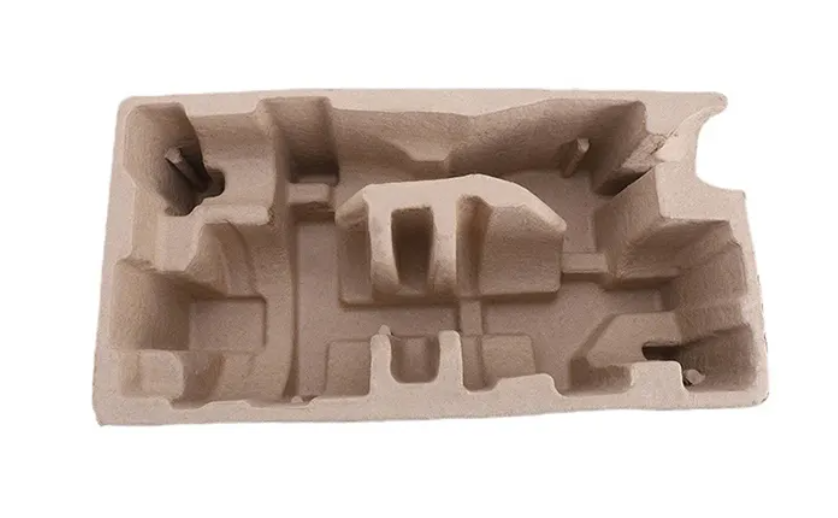
The integration of molded pulp trays with breathable films represents a significant leap in packaging technology, merging the superior protective qualities of pulp with the precise atmospheric control of advanced polymers. Hanyang's expertise in precision-engineered pulp trays provides the foundational element—a rigid, shock-absorbent, and custom-shaped cradle that prevents crushing and bruising of delicate items like berries, mushrooms, or fresh-cut flowers. The true innovation, however, lies in the strategic application of specialized breathable films. These films are not mere covers; they are engineered membranes that allow for the controlled exchange of gases, specifically oxygen and carbon dioxide. This controlled respiration is critical for extending the shelf life of fresh produce by preventing the buildup of moisture and ethylene gas, which accelerates decay. Hanyang's solution ensures that the pulp tray and the film function as a unified system, where the tray maintains physical integrity while the film manages the micro-environment, thereby significantly reducing food waste from farm to table.
Tailoring the System for Optimal Product Preservation: Customization is Key
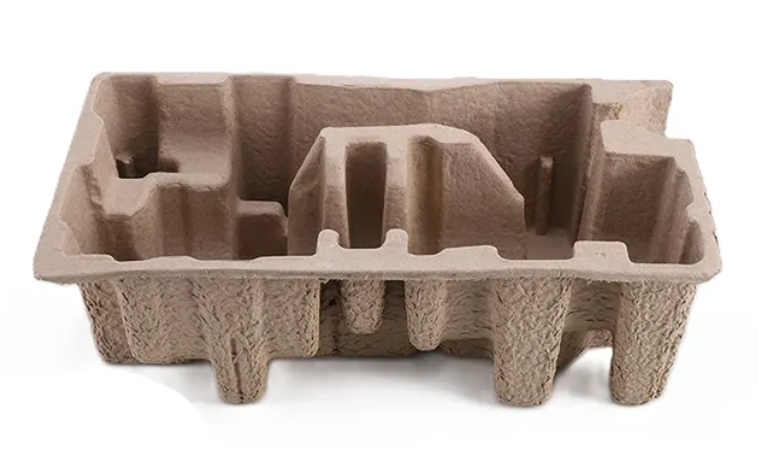
A one-size-fits-all approach is ineffective in fresh produce packaging, as different commodities have unique respiratory rates and sensitivity to environmental conditions. Hanyang's strength lies in its ability to customize both components of this integrated system. The pulp trays can be designed with specific cavities, contours, and absorbent properties to accommodate the size, shape, and moisture sensitivity of each product. For instance, trays for leafy greens might have a different surface texture compared to those for delicate peaches. Concurrently, the selection of the breathable film is equally precise. Hanyang can specify films with varying levels of gas transmission rates (OTR and CO2TR) to match the physiological needs of the packaged goods. This tailored approach ensures that high-respiring products like broccoli receive sufficient oxygen flow, while low-respiring items such as apples are stored in a more restricted atmosphere, maximizing freshness and visual appeal for consumers.
Enhancing Sustainability and Supply Chain Efficiency
Beyond preservation, the combination of pulp trays and breathable films delivers substantial sustainability and operational benefits. The pulp component is crafted from 100% recycled paper fiber and is fully biodegradable and compostable, addressing the end-of-life concerns associated with pure plastic packaging. The use of breathable films, often requiring less material than rigid alternatives, contributes to source reduction. From a supply chain perspective, the lightweight nature of the entire package reduces transportation fuel consumption and costs. Furthermore, the secure fit between the tray and the film minimizes in-transit movement and damage, leading to lower rejection rates at distribution centers and retail stores. This efficiency not only cuts down on economic losses but also reduces the carbon footprint associated with wasted produce and failed deliveries, creating a truly greener logistics model.
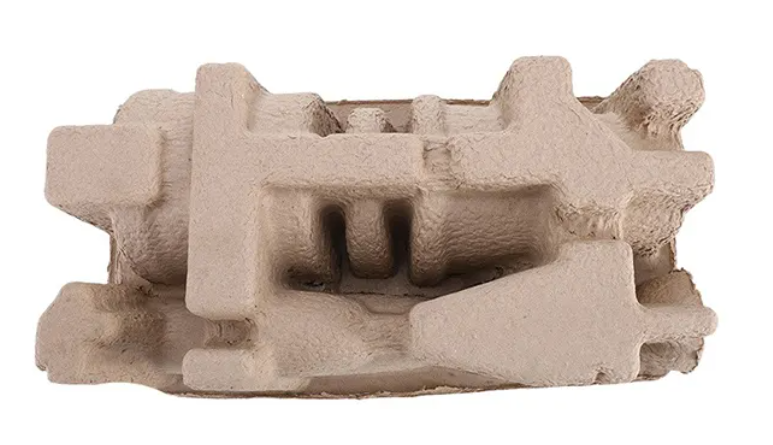
In conclusion, the integration of Hanyang's custom molded pulp trays with advanced breathable films creates a powerful, multi-functional packaging solution. It moves beyond simple containment to active preservation, combining superior product protection with tailored atmospheric control. This synergy not only dramatically extends shelf life and reduces food waste but also aligns with circular economy principles through the use of compostable materials. For brands seeking to enhance the quality, sustainability, and efficiency of their fresh produce supply chains, this integrated approach represents the future of smart, responsible packaging.