












For import buyers, shipping risk does not begin when the container is on the water. It begins much earlier, at the point where packaging design, moisture control, export packing, and supplier execution all come together. Molded pulp packaging is widely valued for sustainability and protective performance, but it is also sensitive to compression, humidity, stacking pressure, and handling conditions if the product is not designed and packed correctly. For buyers importing molded pulp trays, inserts, end caps, and protective packaging products, shipping risk is not only about goods arriving late. It is also about deformation, moisture absorption, damaged edges, inconsistent shape, carton collapse, and performance changes after long-distance transport. To reduce these risks, buyers need to evaluate the packaging system from design through shipment, not just the tray itself.
Start With Packaging Design And Product Fit: Good Shipping Protection Begins Before Goods Leave The Factory
The first way to reduce shipping risk is to make sure the molded pulp packaging is designed for real logistics conditions rather than only for sample approval. Many buyers approve samples based on appearance and basic fit, but a tray that fits the product on a table may still fail when exposed to vibration, stacking pressure, repeated handling, or container movement. That is why buyers should check whether the packaging design truly controls movement, supports weak points, and works together with the outer carton.
A reliable molded pulp structure should reduce product movement inside the package, protect corners and protruding parts, and distribute load in a way that minimizes stress during transport. Buyers should ask how the tray performs under stacking, whether the bottom support is strong enough for the product weight, and whether the tray design allows the product to remain stable even if the carton is handled roughly. If the packaging is too loose, the product may move and suffer impact damage. If it is too tight, it may create packing inefficiency or mark the product surface.
Outer carton matching is equally important. Molded pulp packaging should never be evaluated as an isolated part. It works as part of a complete shipping system. Buyers should confirm whether carton size, top clearance, stacking pattern, and pallet arrangement have been considered together with the tray design. In practical importing, a tray that performs well only in a sample room is not enough. What matters is whether the full packaging system can protect the product across warehousing, trucking, container loading, and final delivery.
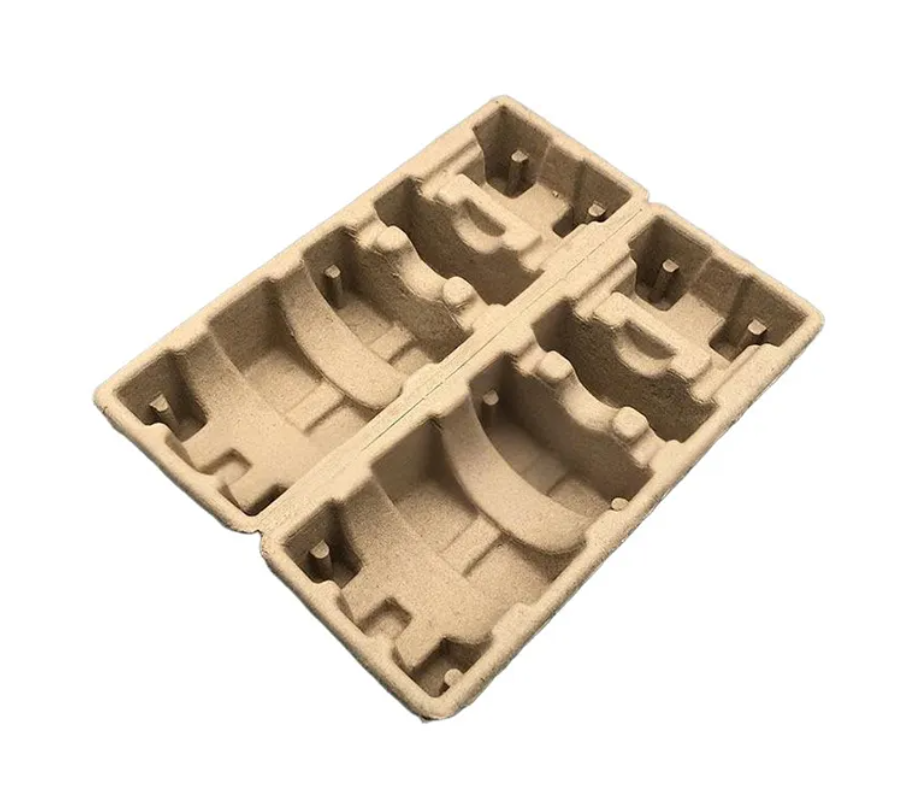
Control Moisture, Compression, And Export Packing: Most Shipping Problems Come From Environment And Handling
For molded pulp packaging products, moisture and compression are two of the biggest shipping risks. Because molded pulp is fiber-based, it can lose rigidity, soften, or deform if exposed to excessive humidity or poor storage conditions. At the same time, if cartons are stacked incorrectly or packed without sufficient support, the molded pulp parts may collapse, bend, or lose dimensional stability before they even reach the buyer’s warehouse. This is why buyers should carefully review export packing methods, not only product samples.
First, buyers should ask how the supplier controls product dryness before packing. They should confirm whether the molded pulp parts are fully dried, how they are stored before shipment, and whether packaging includes moisture protection measures during warehousing and sea transport. Even when the tray itself is strong, poor moisture control can reduce performance during long transit. Buyers should also check whether cartons are strong enough for pallet stacking and container loading, and whether internal packing prevents friction damage or edge crushing.
Compression management is another critical point. Large quantities of molded pulp products are often nested, stacked, and packed tightly for shipping efficiency. This can lower freight cost, but if the packing density is too aggressive, the lower layers may deform under weight. Buyers should therefore ask how many layers are packed per carton, how pallet height is controlled, and whether the supplier has experience balancing freight efficiency with product stability. In real importing, saving a small amount on freight is rarely worth the cost of receiving deformed packaging that no longer performs correctly.
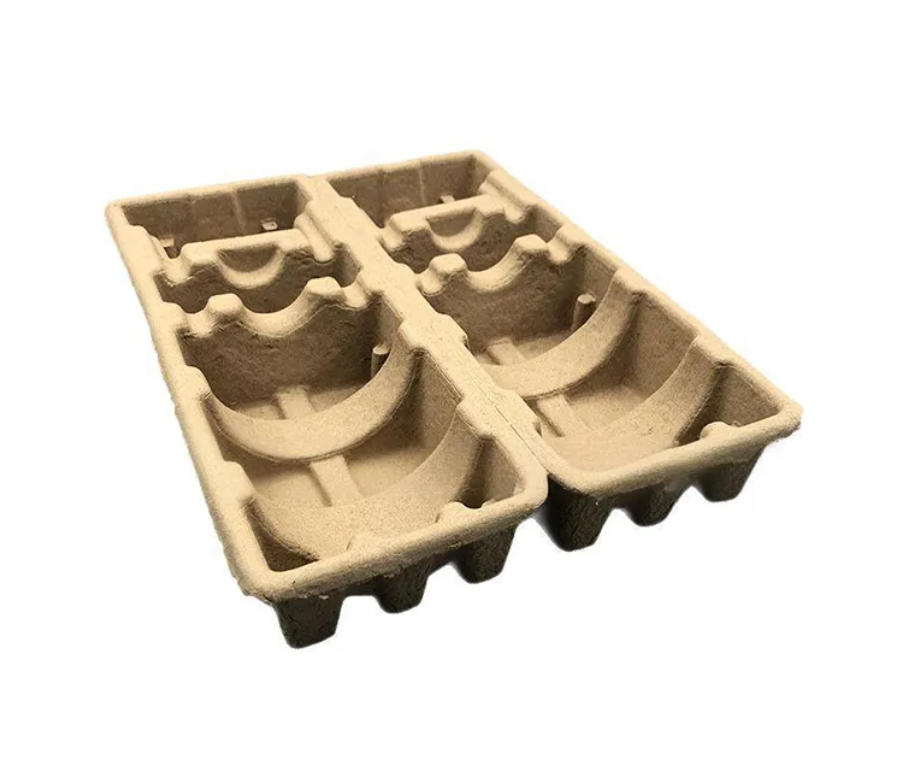
Verify Supplier Execution, Shipment Readiness, And Arrival Inspection Standards
Reducing shipping risk also depends on how well the supplier executes the shipment. Even a good design and a strong export carton can fail if the supplier does not manage inspection, palletization, loading, and shipment communication properly. Buyers should therefore evaluate the supplier’s operational discipline, not just the packaging product itself.
Before shipment, buyers should ask whether the supplier performs final checks on tray shape, dryness, carton condition, pallet stability, and shipment markings. They should also confirm whether loading photos, packing records, and pallet details can be provided before the container leaves. This is especially useful for large import orders, where early visibility helps buyers catch packing problems before arrival. If the supplier has experience with export projects, they are more likely to understand that shipment readiness includes documentation, communication, and visual confirmation, not only production completion.
Arrival inspection planning is another practical way to reduce risk. Buyers should define what they will check when the goods arrive: carton damage, moisture signs, deformation rate, dimensional consistency, and nesting recovery after unpacking. This is important because some molded pulp products may appear acceptable in cartons but show distortion after unpacking or after being stored in a different climate. The best suppliers are usually willing to align with clear incoming inspection standards and corrective action procedures. For import buyers, this kind of supplier cooperation can reduce disputes, speed up claim resolution, and improve long-term supply confidence.
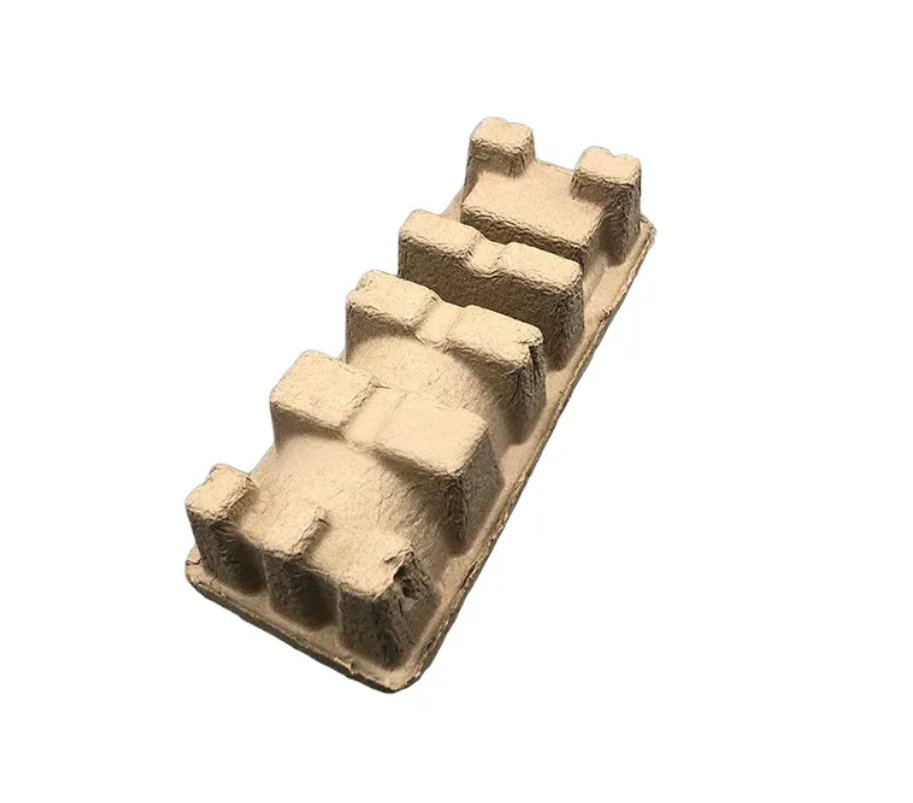
To reduce shipping risks when importing molded pulp packaging products, buyers should focus on three areas: protective packaging design, export packing and environmental control, and supplier execution from shipment to arrival inspection. Shipping problems are rarely caused by one factor alone. They usually come from small weaknesses across design, moisture control, stacking, or communication. The most reliable import result comes from treating molded pulp packaging as a full logistics solution rather than only as a low-cost packaging product.