












How To Reduce Product Damage With Molded Pulp Inserts
Product damage during shipping can increase replacement cost, customer complaints and supply chain risk. Molded pulp inserts provide cushioning, positioning and sustainable protection for electronics, glassware, appliances, cosmetics, food packaging and industrial parts.
Get Quote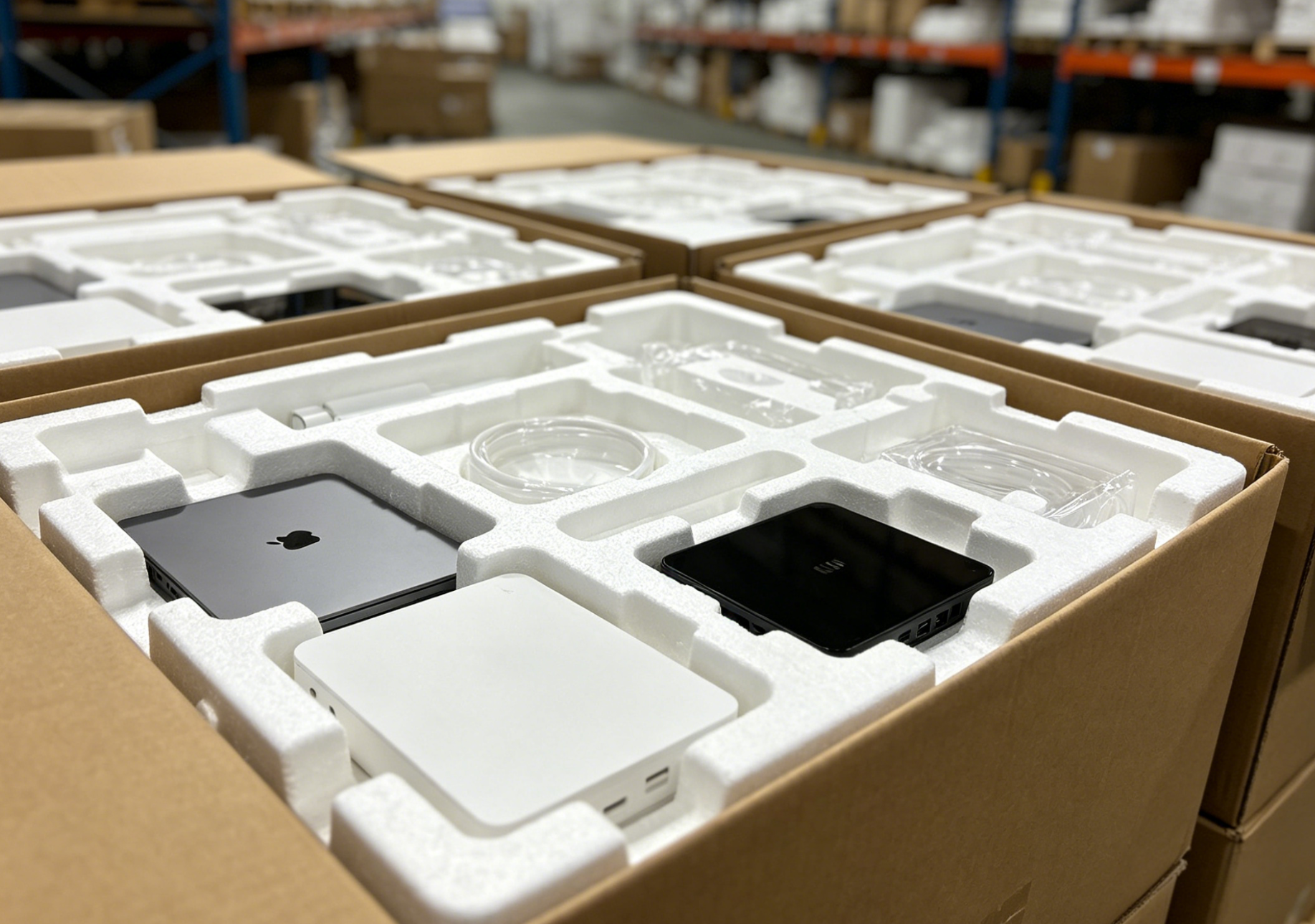
1. Identify The Main Damage Risks First
Before designing molded pulp inserts, buyers should first understand how product damage usually happens. Common risks include vibration, impact, dropping, compression, product movement inside the carton and direct contact between fragile parts and the outer box.
Different products have different weak points. Electronics may need protection around screens, corners and ports. Glass products require impact cushioning. Industrial parts may need stable positioning to prevent scratches, dents or deformation.
2. Use Accurate Product Positioning
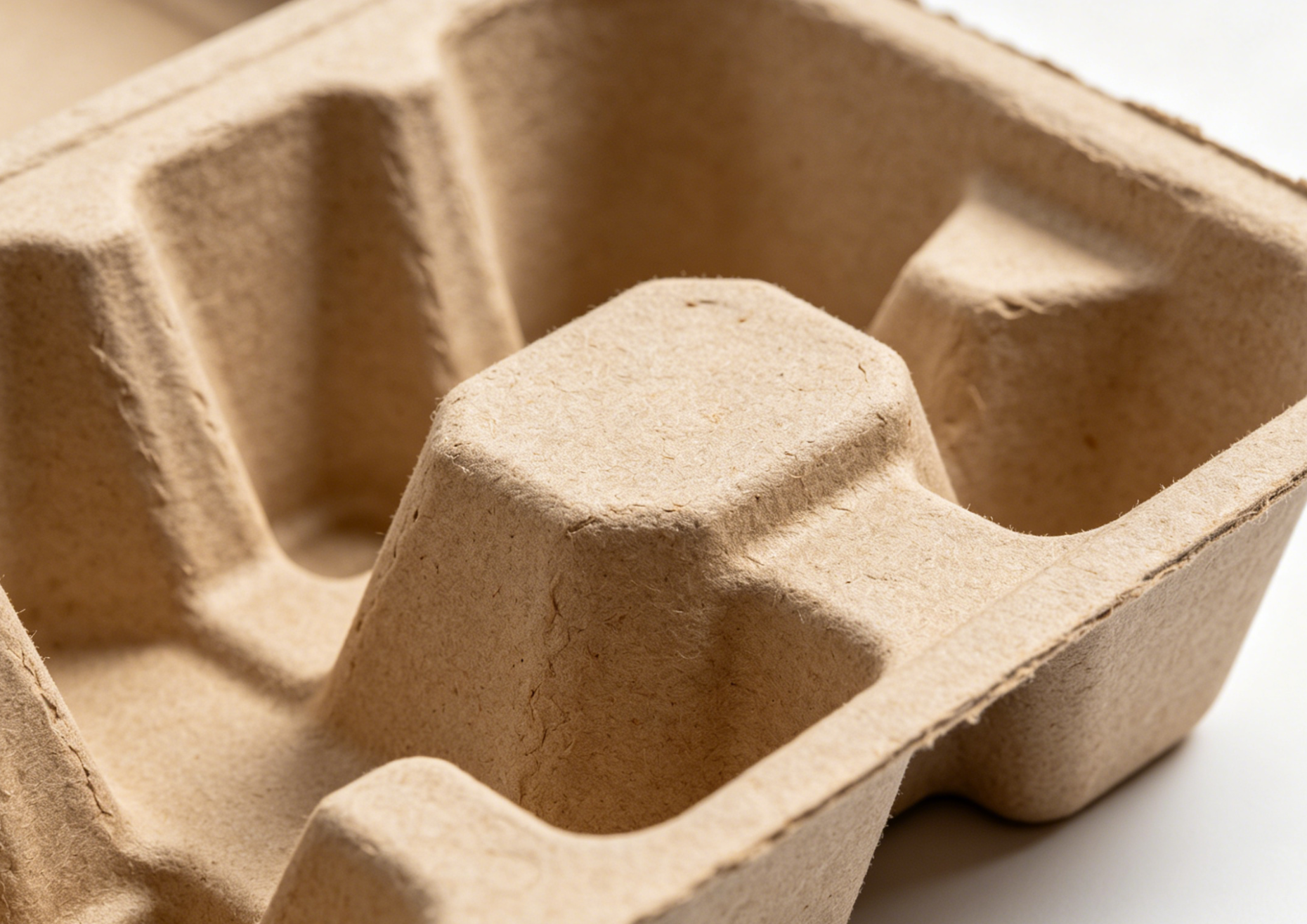
A molded pulp insert should hold the product firmly in place. If the product can move inside the carton, the risk of damage will increase during handling and transportation.
Buyers should provide accurate product dimensions, weight, drawings or samples. The insert should be designed with proper cavities, contact points and support areas to keep the product stable without excessive pressure.
3. Add Cushioning Zones Around Fragile Areas
Good molded pulp inserts are not flat holders. They should include cushioning zones, reinforced edges, support ribs and spacing between the product and the outer carton.
The goal is to absorb impact energy before it reaches the product. For export packaging, extra buffer space is often needed around corners, edges and high-risk contact areas.
4. Match The Insert With The Outer Carton
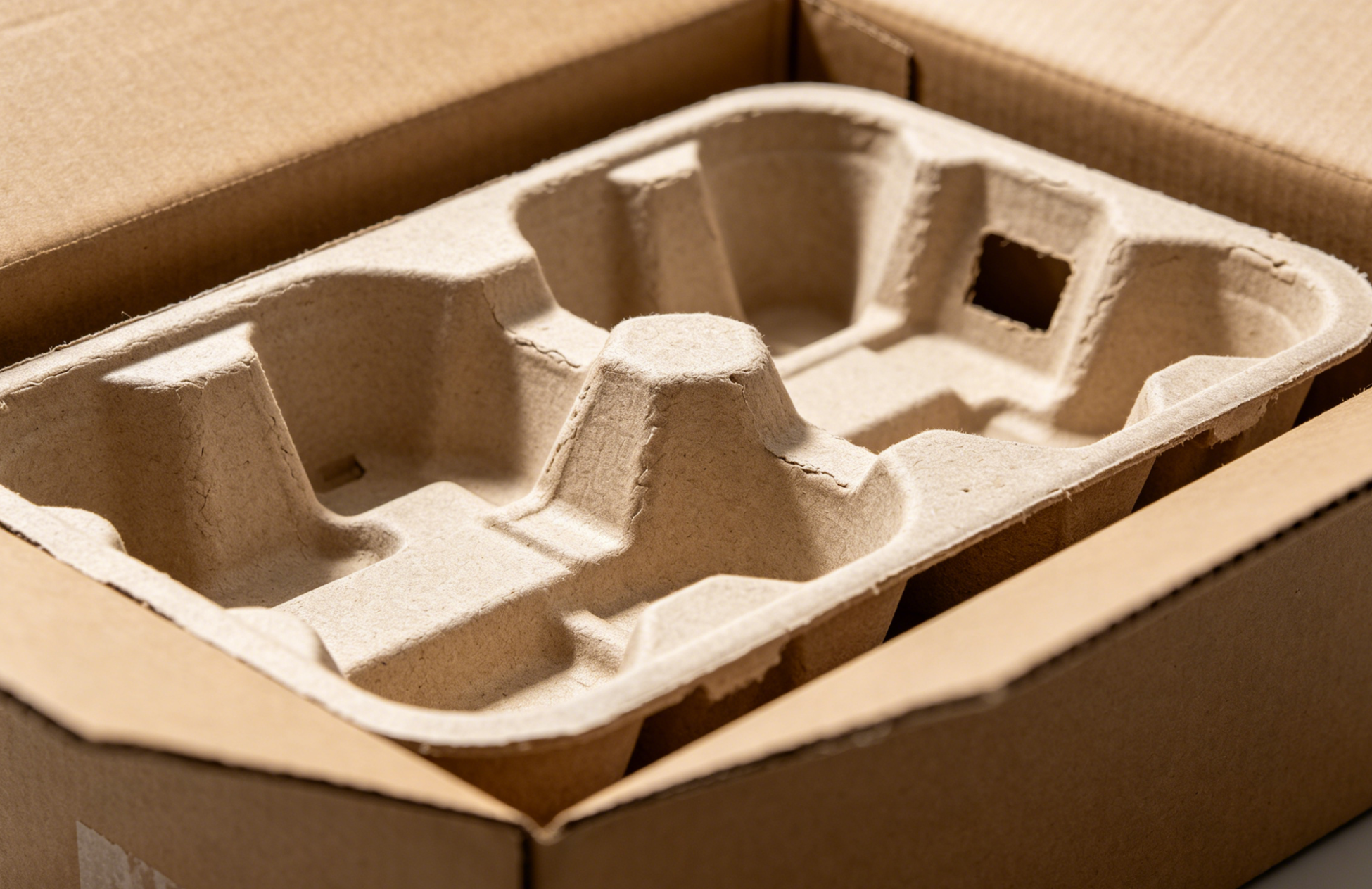
Molded pulp inserts should be designed together with the outer carton. If the carton is too large, the insert may shift. If the carton is too tight, the product may receive direct pressure.
A proper packaging system should balance tray size, carton size, stacking strength and shipping efficiency. This helps reduce both product damage and logistics cost.
5. Choose The Right Material Density And Thickness
Material strength affects cushioning and load-bearing performance. Light products may only need standard recycled pulp inserts, while heavier or fragile products may require higher density, thicker structures or reinforced designs.
Buyers should also consider surface cleanliness, moisture control and fiber shedding. For premium products, smoother molded pulp inserts may improve both protection and brand presentation.
6. Test Before Mass Production
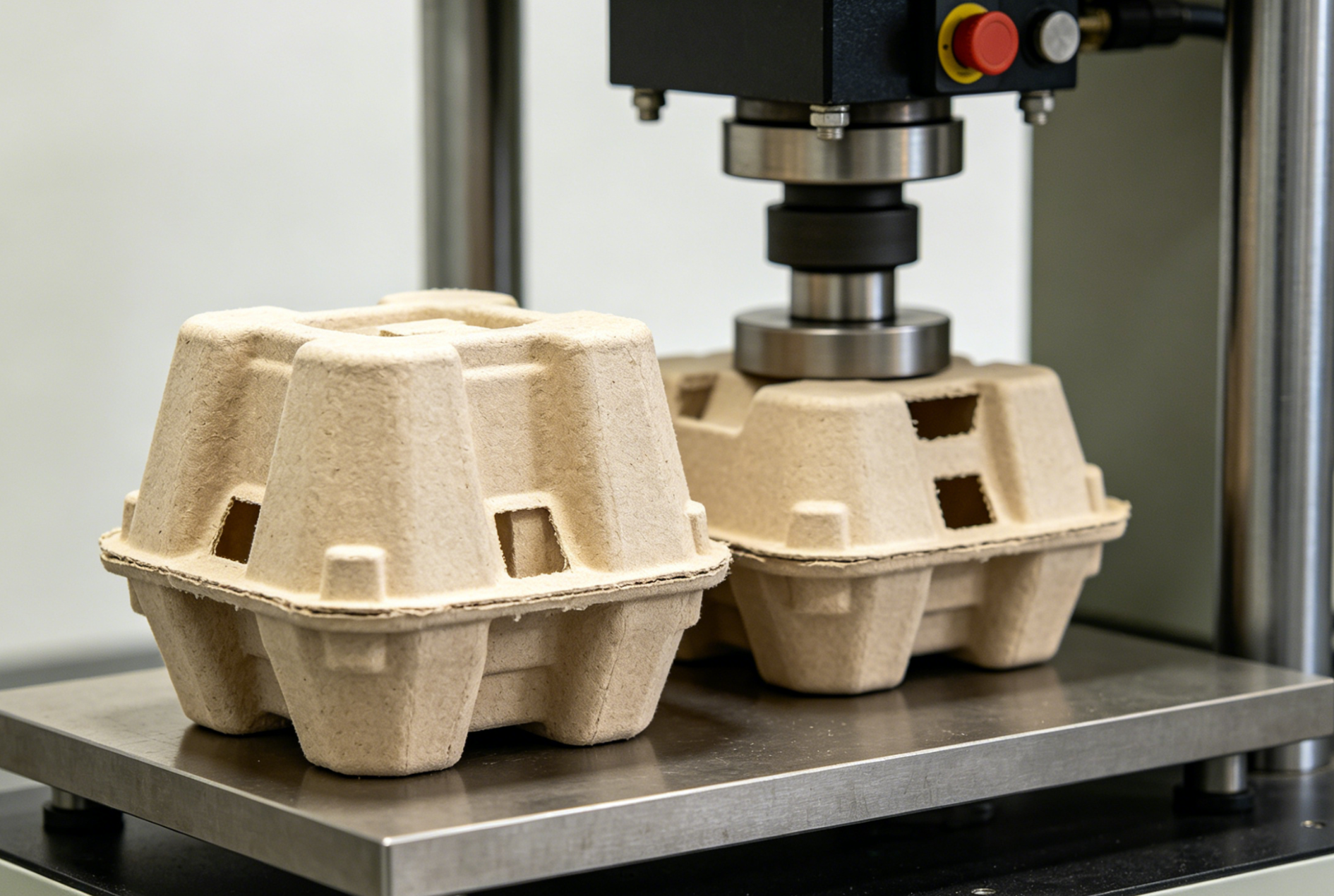
Before placing a bulk order, buyers should test molded pulp inserts under real shipping conditions. Drop testing, compression testing and vibration testing can help verify whether the insert provides enough protection.
Testing allows weak points to be corrected before mass production. This is especially important for electronics, glassware, export products and high-value items.
Need Protective Molded Pulp Inserts For Your Products?
Hanyang Paper provides custom molded pulp inserts for product protection, export packaging, electronics packaging and sustainable packaging projects.
Contact Us Get Quote