












How To Design Protective Molded Pulp Packaging For Export
Export packaging requires more than basic protection. Products may experience long-distance shipping, stacking pressure, vibration and multiple handling stages. A well-designed molded pulp packaging solution can significantly reduce damage risk while improving packing efficiency and sustainability.
Get Quote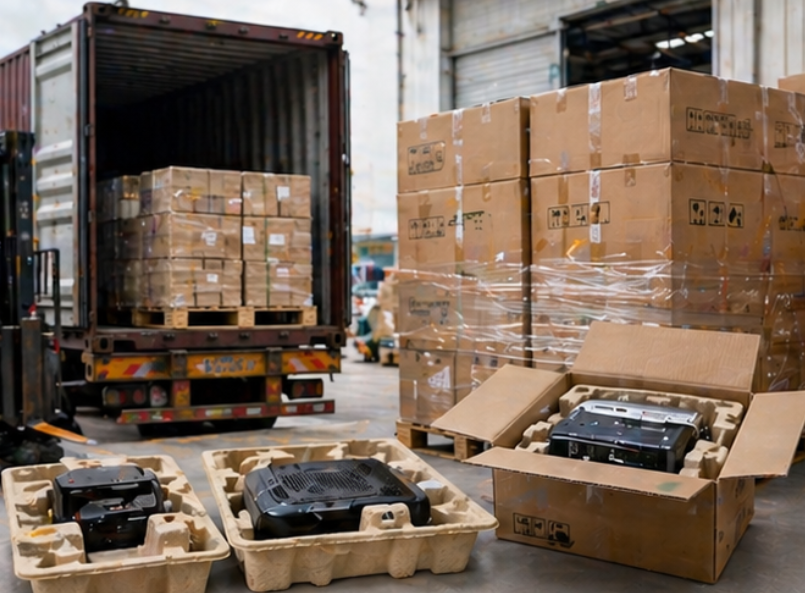
1. Understand The Product And Shipping Conditions
Before designing molded pulp packaging, buyers must clearly define product size, weight, fragile areas and transportation method. Export conditions such as container shipping, pallet stacking and long transit time will directly affect packaging design.
Different products require different protection strategies. Electronics need shock absorption, glass products require impact resistance, while food packaging focuses more on cleanliness and stacking strength.
2. Design Proper Cushioning And Support Structure
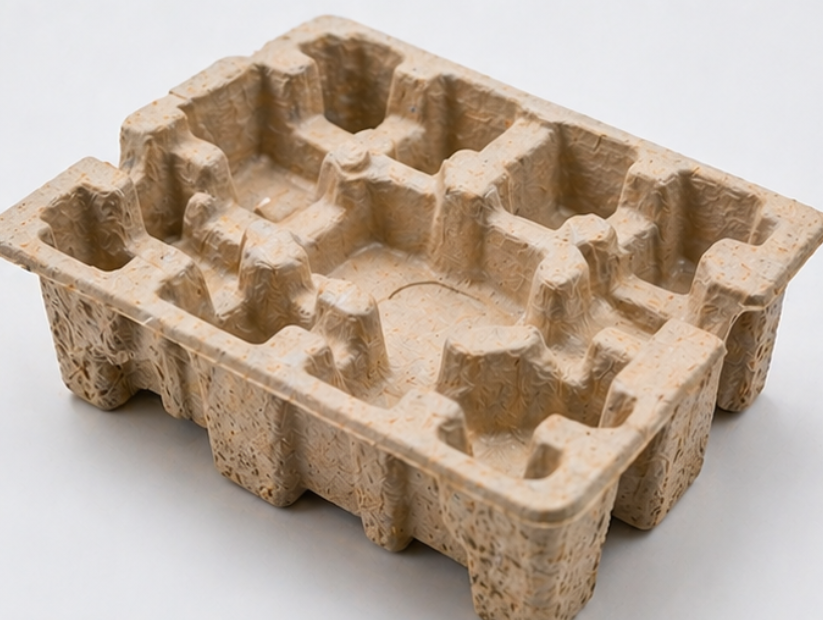
The core of protective molded pulp packaging is structural design. The tray should include support ribs, positioning cavities, buffer zones and reinforced edges.
Proper spacing between the product and outer carton helps absorb impact energy. The product should not directly touch the carton wall. Good structural design reduces movement inside the package and prevents damage during vibration and handling.
3. Optimize Tray Strength And Material Selection
Export packaging must withstand stacking pressure inside containers. Tray thickness, density and material selection play a critical role in strength and durability.
Recycled pulp, virgin pulp or mixed fiber materials can be selected based on product requirements. For heavy or fragile items, reinforced structure and higher density pulp may be necessary to improve load-bearing performance.
4. Match Molded Pulp Tray With Outer Carton
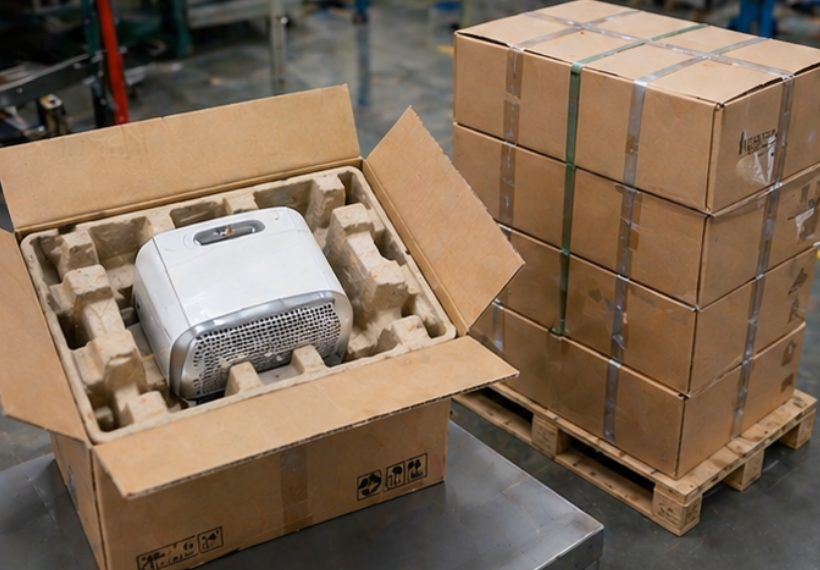
Molded pulp packaging should be designed together with the outer carton. The tray size must match the carton dimensions to avoid wasted space and instability.
Proper carton size improves stacking strength, reduces shipping cost and ensures better container loading efficiency. Buyers should also consider pallet size and container layout during packaging design.
5. Improve Packing Efficiency And Handling Process
Good export packaging design should simplify packing operations. The tray should be easy to place, align and stack.
Efficient packaging design reduces labor time, improves consistency and lowers overall packing cost. This is especially important for large volume export orders.
6. Conduct Testing Before Mass Production
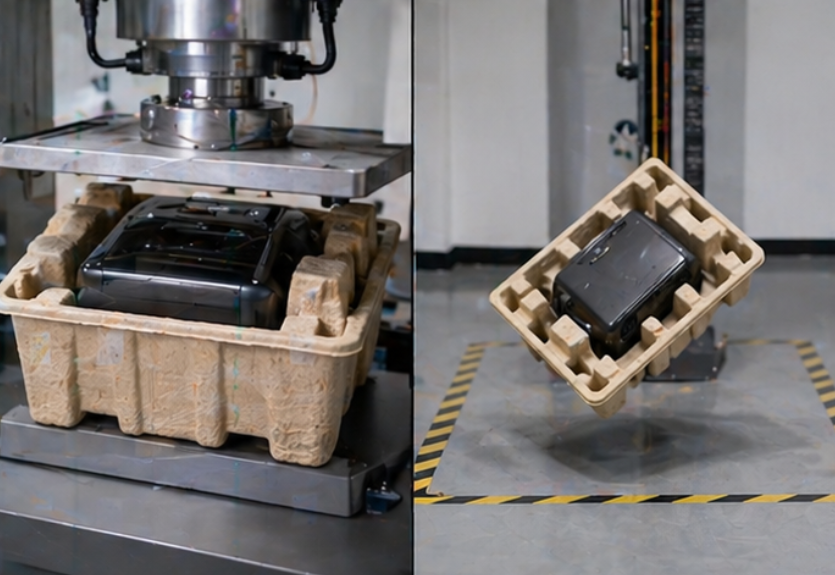
Before bulk production, molded pulp packaging should be tested under real conditions. Drop tests, compression tests and vibration tests can help verify whether the packaging design meets export requirements.
Testing helps identify weak points in the structure and allows adjustment before large-scale production, reducing risk and potential losses.
Key Tips For Export Packaging Success
Always design packaging based on real shipping conditions, not only product appearance. Work closely with manufacturers during the design stage, provide complete product information and confirm testing results before mass production.
A well-designed molded pulp packaging solution can reduce damage rate, improve shipping efficiency and enhance brand image in global markets.
Need Export-Ready Molded Pulp Packaging Solutions?
Hanyang Paper provides custom molded pulp packaging design, sampling, testing and mass production for export projects.
Contact Us Get Quote