












How Molded Pulp Packaging Replaces EPS Foam In Electronics Shipping
Electronics brands and exporters are reducing the use of EPS foam because of sustainability pressure, recycling difficulty and changing packaging expectations. Molded pulp packaging offers a practical alternative for electronics shipping by combining cushioning protection, product positioning and eco-friendly material advantages.
Get Quote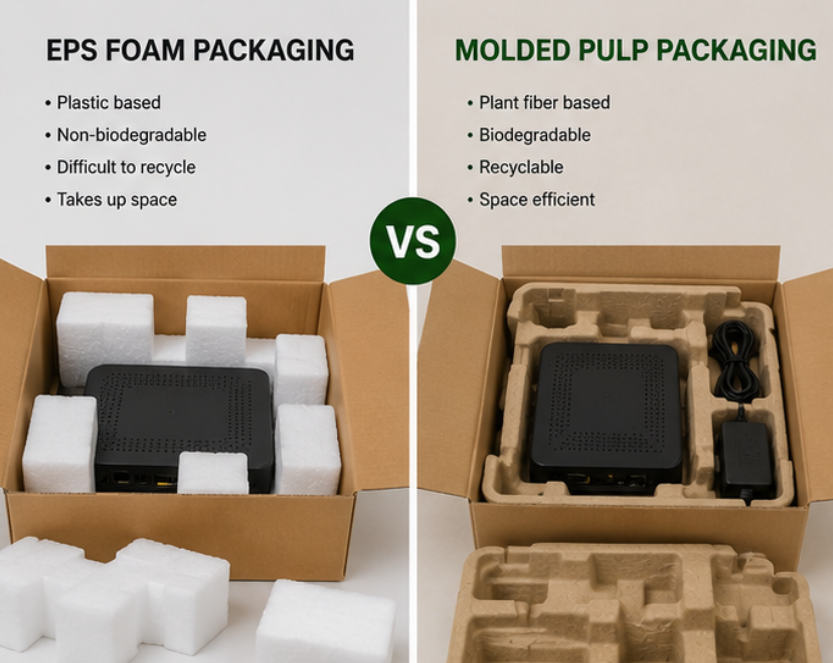
1. Why Electronics Brands Are Moving Away From EPS Foam
EPS foam has been widely used in electronics shipping because it is lightweight and provides cushioning. However, many brands now face pressure to reduce plastic-based packaging and improve recyclability. EPS foam can be difficult to recycle in many markets, takes up space during disposal and does not match the sustainability image that many electronics brands want to build.
For exporters, packaging is no longer only about protection. Buyers, retailers and end users increasingly care about whether the packaging is recyclable, plastic-free and easier to handle after use.
2. How Molded Pulp Provides Protective Cushioning
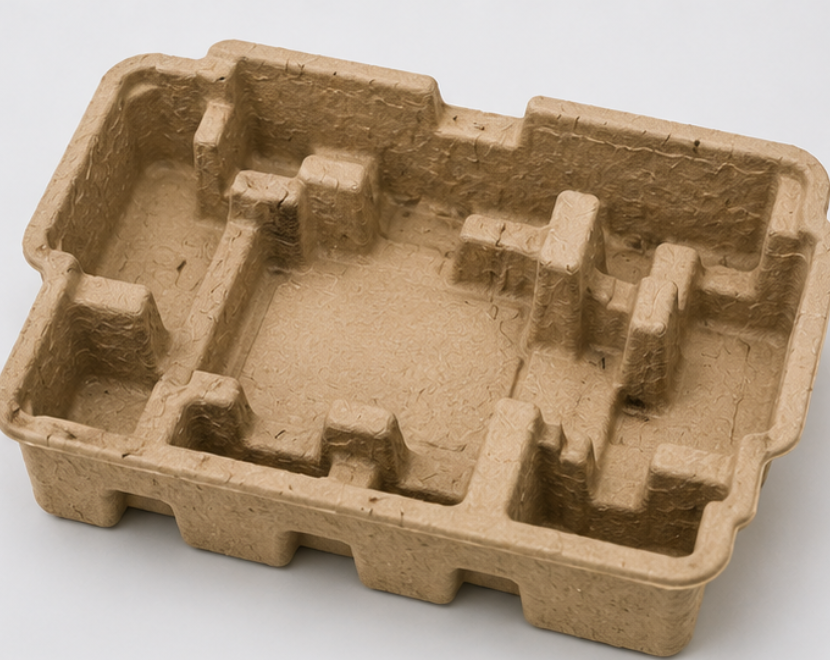
Molded pulp packaging can be designed with cushioning ribs, buffer zones, raised support points and product cavities. These structures help absorb vibration and impact during long-distance shipping.
For electronics such as routers, cameras, speakers, smart devices, small appliances and accessories, molded pulp inserts can hold the product securely while reducing movement inside the carton. This helps lower the risk of scratches, corner damage and internal collision.
3. Better Product Positioning Compared With Loose Foam Blocks
EPS foam is often used as corner protection or side blocks, but the product may still need additional fixing inside the carton. Custom molded pulp inserts can be designed according to the exact shape of the electronic product and its accessories.
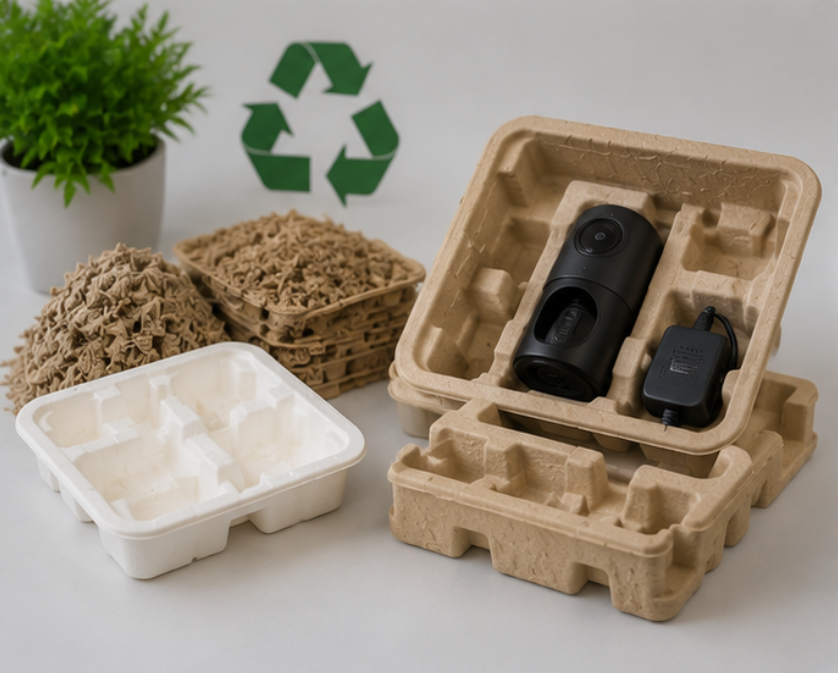
A well-designed pulp insert can create separate spaces for the main product, charger, cable, manual and accessories. This improves packing efficiency, keeps the package neat and creates a better unboxing experience for customers.
4. Sustainability Advantage For Global Markets
Molded pulp packaging is usually made from recycled paper, virgin pulp, bamboo pulp, sugarcane bagasse or mixed plant fibers. It is recyclable, biodegradable and more aligned with plastic reduction trends.
For electronics brands selling into Europe, North America and other sustainability-focused markets, replacing EPS foam with molded pulp can help improve brand image and meet buyer expectations for greener packaging.
5. What Buyers Should Check Before Replacing EPS Foam
Before switching from EPS foam to molded pulp packaging, buyers should evaluate product weight, fragile areas, carton size, shipping method and testing requirements. Not every product can use the same pulp insert structure.
Buyers should request samples and conduct drop tests, compression tests and vibration tests before mass production. This ensures the molded pulp packaging can meet the same or better protection level than the original foam solution.
6. When Molded Pulp Is A Good EPS Foam Alternative
Molded pulp is especially suitable for consumer electronics, small appliances, smart home devices, cameras, speakers, routers, chargers and electronic accessories. It works well when the product requires positioning, cushioning and sustainable packaging at the same time.
For very heavy products or extremely high-impact applications, the packaging structure should be carefully tested and may need reinforced design. A professional molded pulp packaging manufacturer can help buyers evaluate the best solution based on real shipping conditions.

Looking For An EPS Foam Alternative For Electronics Packaging?
Hanyang Paper provides custom molded pulp inserts and sustainable electronics packaging solutions for export shipping, product protection and plastic-free packaging projects.
Contact Us Get QuoteRelated product and article resources
For procurement comparison and technical evaluation, readers can continue with these related product pages and supporting articles.