












Custom Molded Pulp Packaging Price Guide: What Affects The Cost
The price of custom molded pulp packaging is affected by product size, material, mold complexity, order quantity, surface requirements, packing method and delivery schedule. Understanding these cost factors helps buyers compare quotations more accurately and plan packaging budgets with fewer surprises.
Get Quote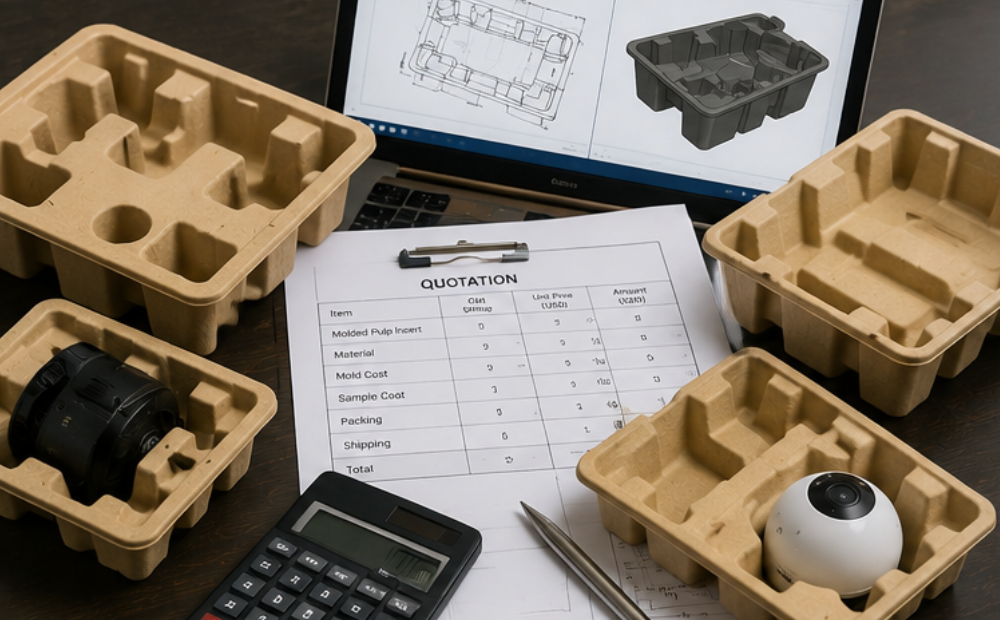
1. Product Size And Packaging Structure
Product size is one of the first factors that affects molded pulp packaging cost. Larger trays require more raw material, more drying space, larger cartons and higher shipping volume.
Structure complexity also matters. A simple flat tray is usually easier to produce than a protective insert with deep cavities, reinforced ribs, support points and special positioning areas. The more complex the structure, the more time and cost may be needed for mold development and production adjustment.
2. Material Type And Surface Requirement
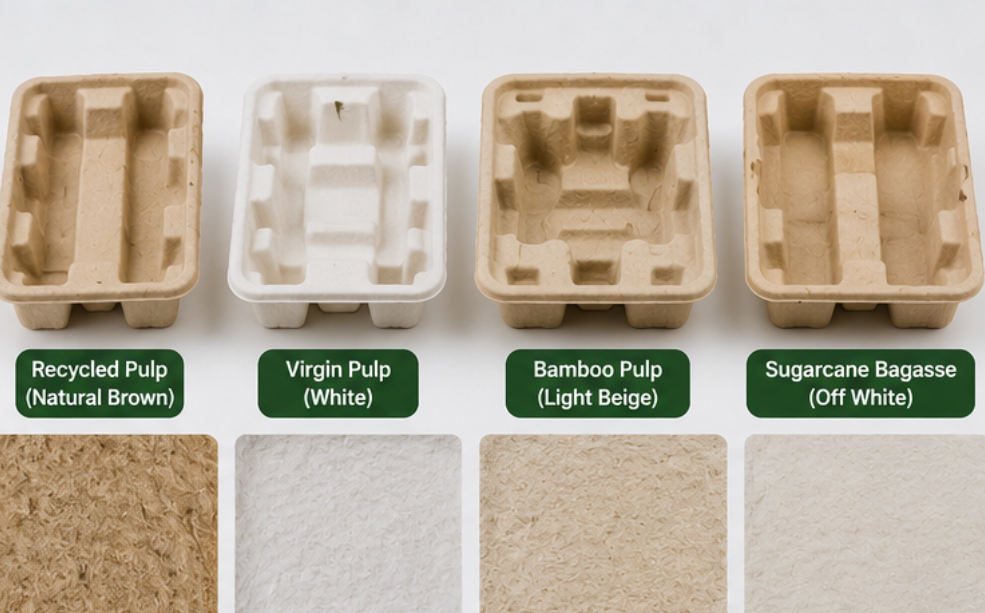
Molded pulp packaging can be made from recycled paper pulp, virgin pulp, bamboo pulp, sugarcane bagasse pulp or mixed fiber pulp. Different materials have different costs, colors, strength levels and surface quality.
Recycled pulp is often cost-effective for industrial protection and egg trays. Virgin pulp or mixed fiber may be selected for cleaner appearance, smoother surface or premium product packaging. If buyers need special color, cleaner finish or higher density, the price may increase.
3. Mold Cost And Sample Development
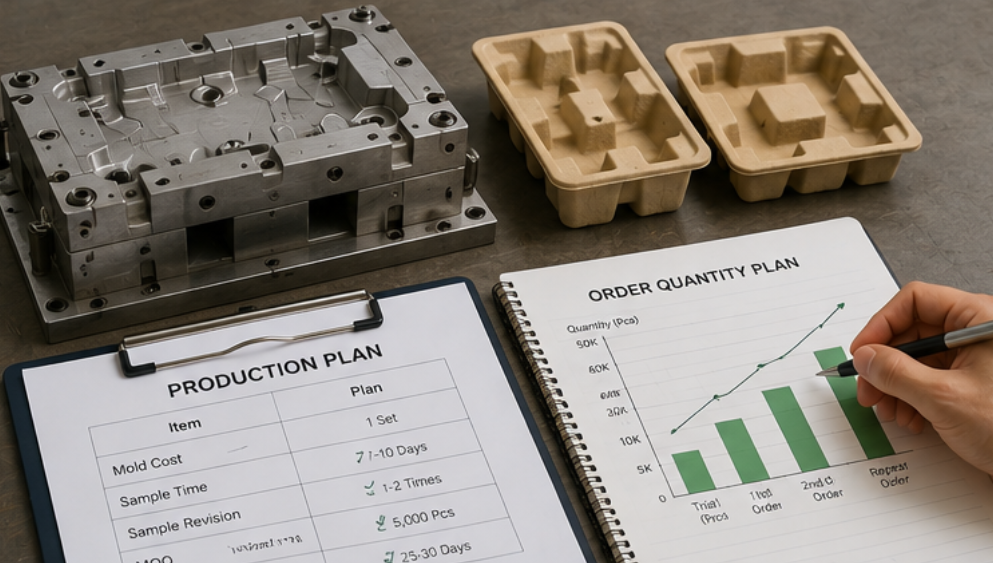
Custom molded pulp packaging usually requires mold development. Mold cost depends on tray size, cavity depth, structure complexity, mold material and required accuracy.
Buyers should confirm whether the mold cost is a one-time fee, whether sample revision is included and whether the mold can be used for repeat orders. A clear mold plan helps reduce unexpected cost during project development.
4. Order Quantity And MOQ
Order quantity has a direct influence on unit price. Higher quantities can usually reduce average production cost because mold setup, machine adjustment and material preparation are spread across more units.
For small trial orders, the unit price may be higher. For long-term or repeat orders, buyers can discuss better pricing, production planning and inventory support with the manufacturer.
5. Drying, Trimming And Quality Control Process
Molded pulp packaging production includes forming, drying, trimming, inspection and packing. Products with higher appearance requirements or tighter dimensional tolerance may need more inspection and finishing work.
If the packaging must maintain consistent shape, clean edges, controlled moisture and stable stacking performance, quality control cost should also be considered.
6. Packing Method And Shipping Volume
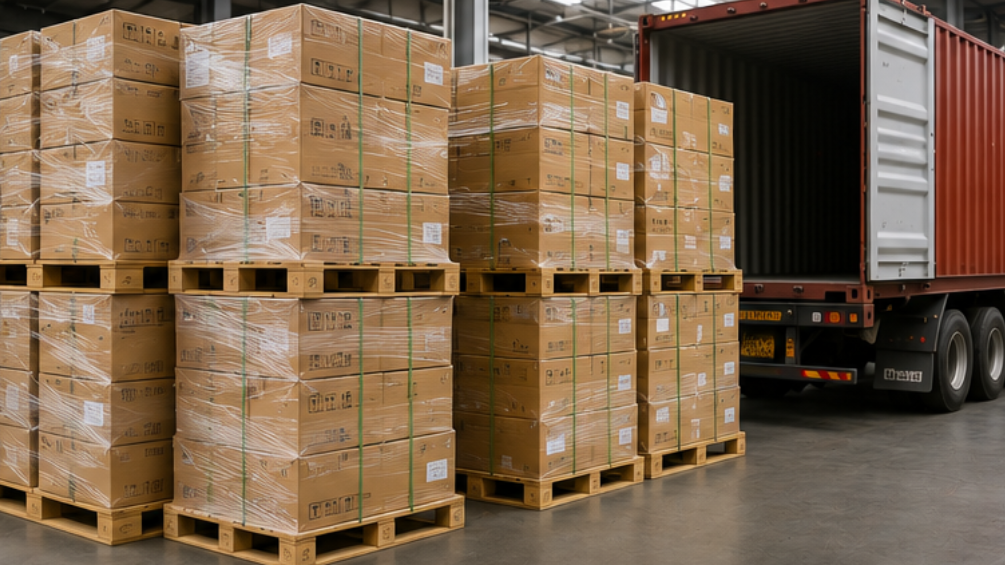
Molded pulp packaging is lightweight but can take up space. Carton size, packing quantity, pallet loading and container utilization all affect total delivered cost.
Buyers should not compare only the unit product price. A lower unit price may not be the best choice if the packing method increases freight cost or causes deformation during shipment.
How To Get A More Accurate Price?
To receive an accurate quotation, buyers should provide product size, product weight, application, material preference, order quantity, packaging drawings or reference photos, sample requirements and shipping destination.
Complete information allows the manufacturer to evaluate mold cost, unit price, packing method and lead time more accurately. It also helps buyers avoid repeated revisions and hidden cost during mass production.
Need A Price Estimate For Custom Molded Pulp Packaging?
Related product and article resources
For procurement comparison and technical evaluation, readers can continue with these related product pages and supporting articles.
Hanyang Paper provides custom molded pulp packaging design, mold development, sampling, bulk production and export packing support.
Contact Us Get Quote