












Custom Molded Pulp Packaging Cost And Tooling Guide
Custom molded pulp packaging cost is affected by product size, tray structure, material choice, tooling complexity, sample revisions, order quantity and export packing requirements. For importers and product brands, understanding these cost factors helps compare quotations more accurately and avoid unexpected tooling or production costs.
Get Quote1. Product Size And Tray Structure Affect Cost First
The size and structure of the molded pulp tray are the first factors that influence cost. Larger trays require more pulp material, larger molds, longer drying time and more packing space.
A simple tray is usually easier to produce than a protective insert with deep cavities, support ribs, reinforced corners and multiple accessory compartments. For electronics, wine bottles, glass products and retail goods, the protection structure may increase tooling and production cost, but it can reduce shipping damage and replacement losses.
2. Tooling Cost Depends On Mold Complexity
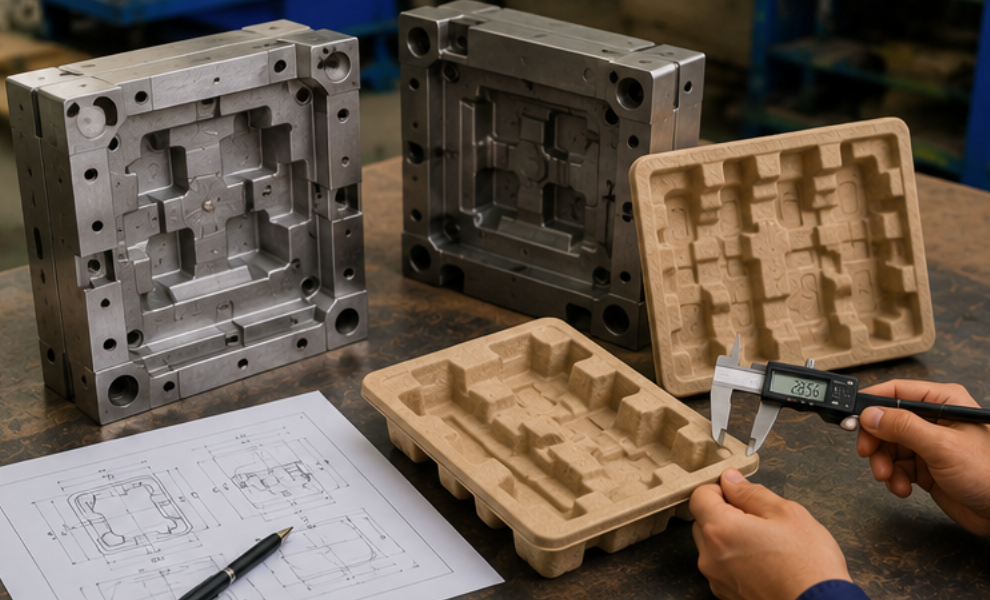
Custom molded pulp packaging usually requires tooling because the insert must match the product shape, weight and packaging layout. Tooling cost depends on tray size, cavity depth, mold accuracy, product complexity and whether multiple cavities are needed.
Buyers should confirm whether tooling cost is a one-time charge, whether sample revisions are included and whether the mold can be reused for repeat orders. Clear tooling terms help avoid confusion after the project begins.
3. Material Choice Changes Unit Price
Molded pulp packaging can be made from recycled paper pulp, virgin pulp, bamboo pulp, sugarcane bagasse or mixed fiber materials. Recycled pulp is often cost-effective for industrial protection and export inserts, while cleaner or smoother materials may be selected for electronics, cosmetics, food packaging and premium retail products.
Buyers should choose material based on protection needs, surface quality, color, sustainability goals and budget. A lower material cost may not be the best choice if it causes poor appearance, weak structure or higher damage risk.
4. MOQ And Order Quantity Affect Cost Allocation
Order quantity strongly affects the final unit price. For custom molded pulp packaging, tooling setup, sample development and machine adjustment are spread across the order quantity.
Small trial orders usually have higher unit costs, while repeat bulk orders may reduce average cost. Importers should provide first order quantity and estimated annual demand so the supplier can recommend a practical pricing plan.
5. Sampling, Revisions And Testing Should Be Planned Early
Sampling is an important part of custom molded pulp packaging development. The process may include drawing review, mold making, first sample production, sample testing and revision.
Buyers should ask about sample lead time, revision process and testing support before confirming tooling. For export packaging, drop tests, compression tests, vibration tests and carton compatibility checks may be needed before mass production.
6. Packing And Shipping Volume Also Affect Total Cost
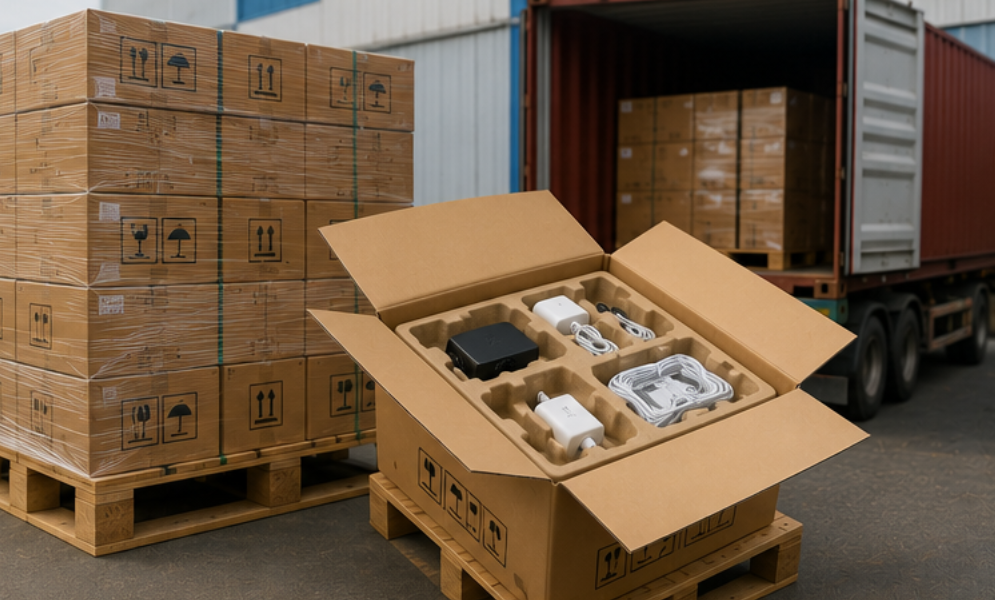
Molded pulp packaging is lightweight, but some tray structures may take up more carton space. Pieces per carton, carton size, pallet loading and container utilization all affect total landed cost.
Buyers should compare not only unit price, but also tooling cost, packing cost, freight volume and damage reduction value. A well-designed molded pulp tray may cost slightly more per unit but reduce product returns, shipping damage and packaging waste.
Need A Cost Estimate For Custom Molded Pulp Packaging?
Hanyang Paper provides custom molded pulp packaging, tooling development, sampling, material selection and export packing support for electronics, glass products, food packaging and retail goods.
Contact Us Get QuoteBuyer focused specification notes
This added guide expands the article for brands comparing custom molded pulp suppliers. The main topic is cost and tooling. In real sourcing work, buyers usually need more than a short product description. They need to know whether the tray can hold the product safely, whether the surface meets the brand requirement, whether the molded pulp structure can replace plastic or EPS foam, and whether the supplier can control tooling, samples, quality inspection and export packing.
Information to prepare before quotation
A strong RFQ should include tray size, mold complexity, sample revisions, material choice, MOQ, drying process and export carton plan. Buyers should also send product dimensions, product weight, photos or drawings, quantity forecast, retail box size, outer carton requirement, loading method, shipping destination, sustainability target and any testing expectation. If the product is fragile, has a polished surface, includes accessories or needs a premium unboxing experience, those details should be shown before mold design starts.
Product pages worth reviewing
Useful internal pages include molded pulp packaging product range, home appliance molded pulp trays, industrial agricultural molded pulp trays, daily necessities molded pulp trays, 12 egg carton, 10 cell molded pulp egg tray, product testing center, factory equipment. These pages help visitors compare different molded pulp tray structures and move from a buying question to a suitable product category. For electronics and digital products, the cavity design and accessory layout matter most. For food and beverage trays, stacking, moisture response and handling strength are important. For egg cartons and agricultural trays, production consistency and packing efficiency are often the main concerns.
Sample approval and tooling control
Sample approval is one of the most important steps in a custom molded pulp packaging order. The buyer should check whether the product fits the cavity without shaking, whether removal is easy, whether the tray edge is clean, whether the color and surface are acceptable, and whether the tray works with the retail box or outer carton. If changes are needed, record each revision clearly so the final mold does not repeat an old issue.
Quality inspection before shipment
Before shipment, the inspection should include dimensions, tray weight, material density, moisture level, stacking test, compression performance, surface appearance and packing condition. Photos should cover the top view, side view, cavity detail, product fit, carton label and pallet condition. For export buyers, these checks reduce claims and help the warehouse confirm that the packaging is ready for long distance transport.
Related capabilities and case references
Buyers can continue with pulp egg tray products, food beverage molded pulp trays, single cup pulp tray, double cup pulp tray, 12 egg carton, 10 cell molded pulp egg tray, product testing center, factory capability to review related products, cases and factory information. A packaging supplier should be able to discuss not only the tray shape but also mold development, drying stability, packing method and repeat order consistency. Factory equipment and testing information also supports trust when the buyer is comparing several suppliers in China.
Common sourcing mistakes
The first mistake is asking for the lowest unit price before confirming the structure. The second mistake is sending only a product photo without dimensions. The third mistake is ignoring carton fit and shipping route. The fourth mistake is approving a sample without checking how the product will be removed by the end user. The fifth mistake is not confirming the acceptable color range and surface texture. These mistakes can make a tray look acceptable in photos but perform poorly in shipping or retail handling.
Conversion advice for import buyers
For faster communication, buyers should send one message with the product model, dimensions, weight, target quantity, packaging goal, delivery country and required timeline. If they are replacing plastic, EPS foam or a paper insert, they should explain the current problem and target improvement. The article connects these buying questions with Hanyang pages such as molded pulp packaging product range, pulp tray products, electronics molded pulp trays, electrical pulp packaging tray, camera pulp tray, molded pulp packaging cases, product testing center, factory capability, helping the visitor move from research to a concrete molded pulp packaging inquiry.