












Carbon Footprint Comparison: Molded Pulp vs. EPS/EPE Packaging
As global sustainability initiatives intensify, the environmental impact of packaging materials has come under rigorous scrutiny. For businesses seeking to align with green manufacturing standards and reduce their ecological footprint, choosing the right protective packaging is crucial. This analysis compares the carbon footprint of two primary solutions: molded pulp packaging, as advanced by industry leaders like Hanyang Paper Plastic, and traditional plastic foam materials such as Expanded Polystyrene (EPS) and Expanded Polyethylene (EPE). The findings reveal compelling environmental, regulatory, and commercial advantages for adopting bio-based molded alternatives.
1. Raw Material Sourcing and Production Emissions
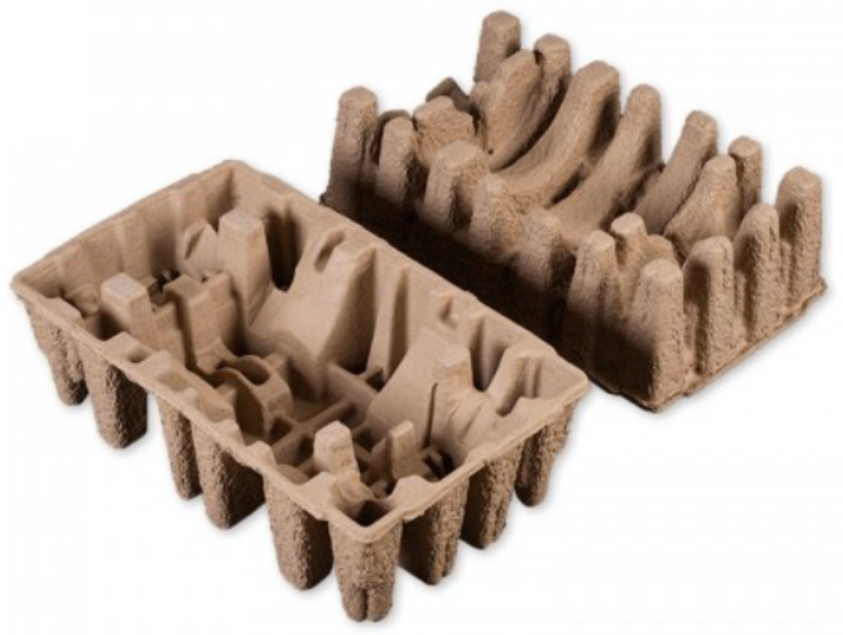
The carbon journey of packaging begins with raw material extraction and processing. Molded pulp packaging predominantly utilizes agricultural by-products (e.g., sugarcane bagasse, bamboo fiber, and recycled paperboard) that are renewable, biodegradable, and carbon-sequestering. The production process involves pulping, molding, and low-temperature drying, which collectively generate significantly lower greenhouse gas emissions compared to plastic foam manufacturing.
In contrast, EPS and EPE packaging are derived from fossil fuels, primarily petroleum or natural gas. Their production is energy-intensive, requiring high heat for polymerization and expansion. Studies indicate that producing 1 kg of EPS releases approximately 2.5–3 kg of CO₂ equivalent, excluding upstream emissions from feedstock extraction. Additionally, chemical blowing agents used in foam production may further contribute to atmospheric pollution.
2. Lifecycle Energy Use and End-of-Life Scenarios
A packaging material’s total carbon footprint extends beyond manufacturing to include transportation, usage, and disposal phases. Molded pulp products are lightweight and often designed to be nestable or stackable, reducing bulk during storage and shipping. This efficiency can lower fuel consumption and associated CO₂ emissions in logistics by up to 30% compared to rigid plastic foams.
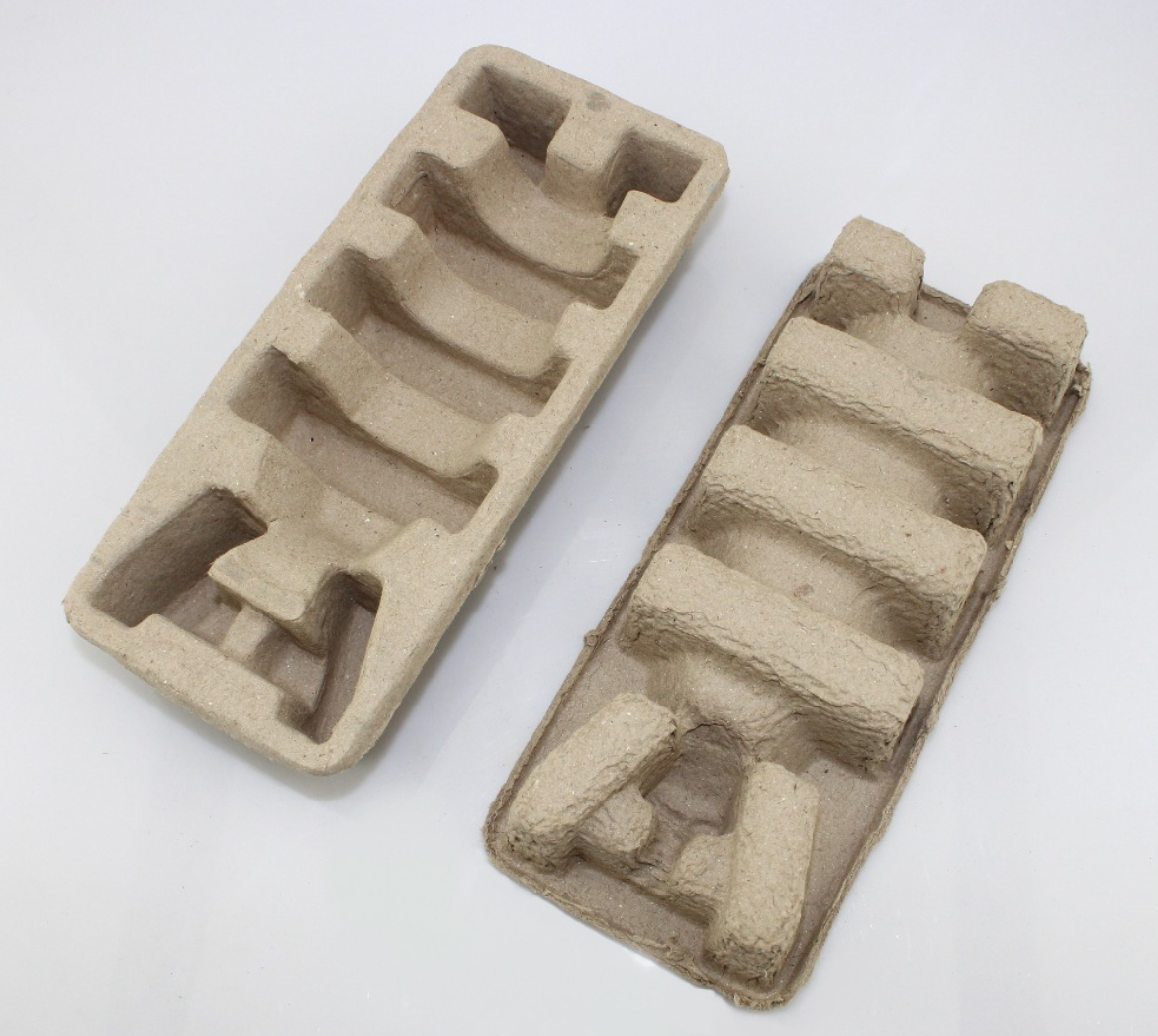
At the end of its lifecycle, molded pulp is fully compostable in industrial or home composting systems, breaking down into organic matter within 90–180 days without releasing toxic residues. Some advanced variants, like those developed by Hanyang, are engineered for water resistance and durability, allowing for reuse cycles before final composting.
Conversely, EPS and EPE are rarely recycled in practice (global recycling rates are below 10%) due to contamination, low density, and high processing costs. Most end up in landfills, where they may persist for centuries, or are incinerated, releasing carbon dioxide and potentially hazardous fumes. Their linear “take-make-dispose” model represents a significant carbon liability.
3. Regulatory Trends and Corporate Carbon Accountability
Increasingly stringent environmental regulations worldwide are reshaping packaging choices. Regions such as the European Union, Canada, and Australia have implemented extended producer responsibility (EPR) schemes and taxes on non-recyclable plastics, making EPS/EPE less economically viable. Meanwhile, molded pulp—certified under standards like OK Compost (EN 13432) and ASTM D6400—is often exempt from such levies and may qualify for green procurement incentives.
Major multinational corporations, particularly in electronics, cosmetics, and fresh food sectors, are committing to carbon-neutral packaging as part of their ESG (Environmental, Social, and Governance) goals. Brands are transitioning to molded pulp not only to comply with regulations but also to meet consumer demand for sustainable alternatives. Suppliers like Hanyang Paper Plastic support this shift by providing custom-engineered, carbon-optimized packaging solutions that offer protective performance comparable to, or exceeding, traditional plastic foams.
Conclusion
Related product and article resources
For procurement comparison and technical evaluation, readers can continue with these related product pages and supporting articles.
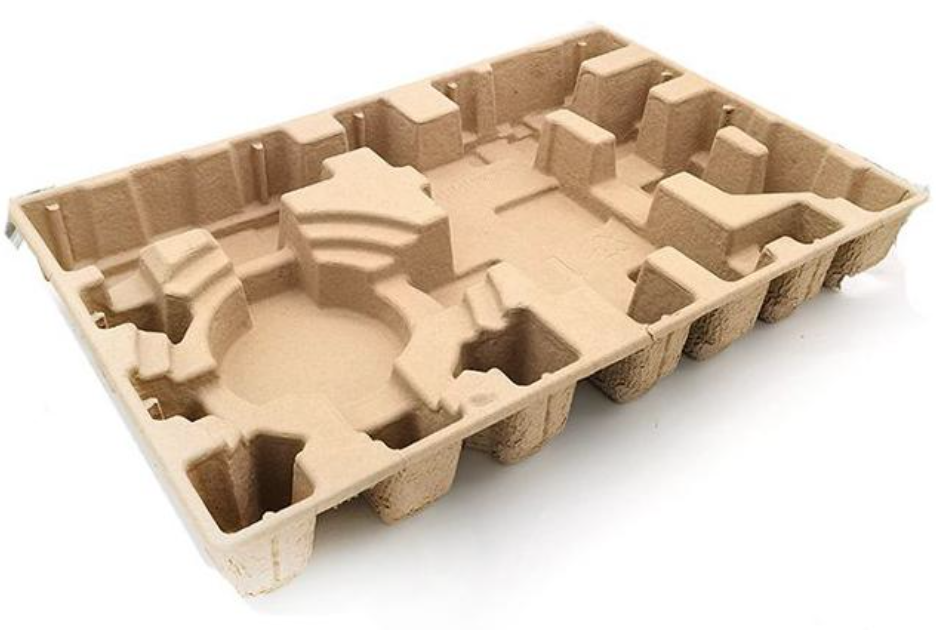
When evaluated across the entire value chain—from raw material sourcing to end-of-life processing—molded pulp packaging demonstrates a decisively lower carbon footprint than EPS or EPE foams. Its reliance on renewable feedstocks, energy-efficient manufacturing, efficient logistics, and circular disposal pathways positions it as a forward-thinking choice for businesses aiming to reduce emissions and future-proof their operations. As carbon pricing mechanisms and plastic restrictions expand globally, adopting molded pulp is transitioning from an environmentally conscious option to a strategic imperative.