












2027 Sustainable Packaging Trends Export Brands Should Prepare For
Sustainable packaging is moving from a marketing preference to a sourcing and compliance issue. Export brands are increasingly expected to explain what their packaging is made from, whether it can be recycled, how much material is used and whether the design creates unnecessary waste.
For companies selling into Europe and other markets with growing packaging rules, 2027 will be an important preparation year. The EU Packaging and Packaging Waste Regulation is already applying, while several major requirements on labelling, recyclability, packaging minimisation and empty space will continue to phase in over the following years.
Buyers should therefore look beyond one material change. The strongest packaging strategies will combine recyclable design, lower material use, practical product protection, clear specifications and better evidence for sustainability claims.
Recyclability Will Influence Packaging Design Earlier
One of the clearest trends for export packaging is that recyclability is becoming a design requirement rather than a claim added after development. Buyers increasingly need to understand the complete packaging structure including trays, cartons, coatings, labels, adhesives and other components.
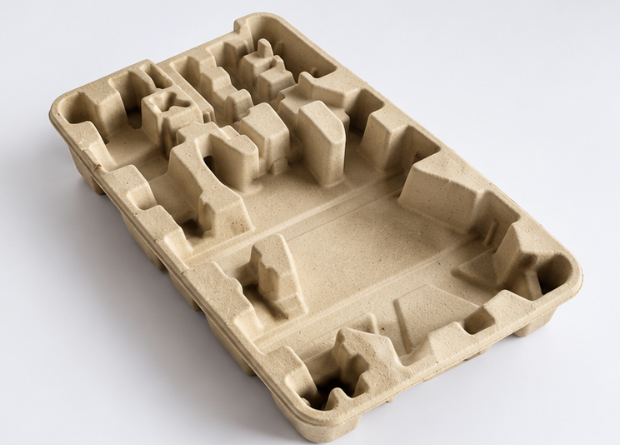
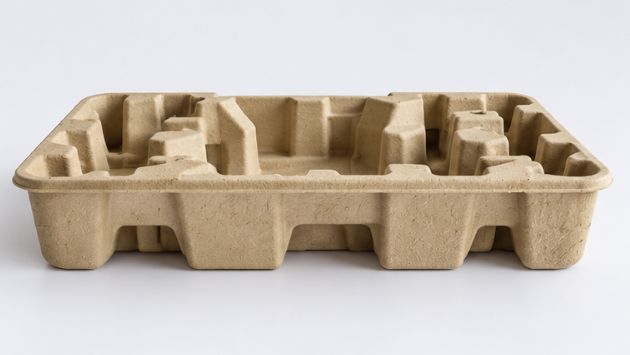
Simple material structures can make this easier. Corrugated paper, paperboard and molded pulp can often support fiber based packaging systems without adding unnecessary plastic components. For electronics, appliances, bottles and consumer products, molded pulp can create three dimensional support while helping reduce dependence on EPS foam or thermoformed plastic trays.
Material selection still has to match the product. Premium electronics may require smoother wet press molded pulp, while heavier appliances or industrial products may use stronger dry press structures. Food and beverage applications may require additional attention to moisture, grease or food contact requirements.
Export brands should also review mixed materials carefully. A package may appear paper based but still contain films, laminations or coatings that change the end of life route. Buyers should ask suppliers for clear material specifications instead of relying only on visual appearance.
By 2027, packaging teams that already understand the recyclability of each component will be better positioned for stricter requirements arriving later in the decade.
Smaller Lighter Packaging Will Become a Commercial Advantage
Packaging reduction is another trend export brands should prepare for. Oversized cartons, excessive layers and loose void fillers increase both material consumption and shipping volume. Future packaging decisions will increasingly need to show why the amount of material used is necessary for product protection.
This does not mean reducing packaging until the product becomes vulnerable. The better approach is to engineer packaging around the real load points, fragile areas and transportation risks of the product.
Custom molded pulp can help because the structure can follow the product geometry more closely. Support ribs, reinforced corners and dedicated accessory cavities can reduce the need for loose fillers and unnecessary empty space inside the carton.
Carton dimensions should also be reviewed together with pallet loading and container utilization. A small reduction in package size can create significant logistics savings when multiplied across thousands of export units.
For 2027 projects, procurement teams should ask for final carton size, packaging weight, pieces per carton and pallet configuration earlier in the development process instead of waiting until after tooling is complete.
Packaging Data and Supplier Documentation Will Matter More
Another major shift is that buyers will need more information from packaging suppliers. A physical sample and unit price are no longer enough for many export programs. Procurement teams may need material composition, packaging weight, dimensions, coating information, recycled content data and evidence supporting recyclability or other environmental claims.
Extended producer responsibility systems are also increasing the importance of packaging data. When producers or importers are financially responsible for packaging waste, material choice and packaging weight can affect more than sustainability reporting.
This will favor suppliers that can maintain consistent specifications across repeat orders. If a packaging material, coating or structure changes during production, buyers may need to know because the change can affect performance, recyclability or documentation.
Testing records will also become more useful. Drop tests, compression tests, vibration evaluation and product fit checks can help explain why certain structural features are necessary and why packaging cannot simply be reduced further.
For molded pulp projects, buyers should ask suppliers to identify fiber type, forming process, critical dimensions, packaging weight, surface treatment and packing method. These details create a more reliable foundation for both quality control and sustainability communication.
The 2027 advantage will therefore come from combining sustainable materials with better engineering and better documentation rather than from using one fashionable material alone.
Prepare for 2027 With Better Packaging Decisions
The most important sustainable packaging trends for export brands are becoming clear. Packaging is moving toward better recyclability, lower material use, less empty space, simpler structures and more transparent documentation.
For buyers, 2027 should be used to audit existing packaging and redesign the highest risk areas before stricter requirements arrive. Molded pulp and other fiber based materials can support this transition when they are engineered around real product protection and supported by clear technical specifications. The strongest future packaging will be sustainable not only in appearance but also in design, logistics and end of life performance.