
Related Products: 12 Cell Molded Pulp Egg Carton | 10-Cell Molded Pulp Egg Tray | 8-Cell Molded Pulp Egg Tray
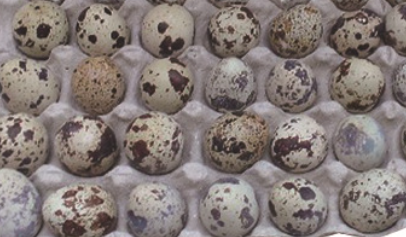
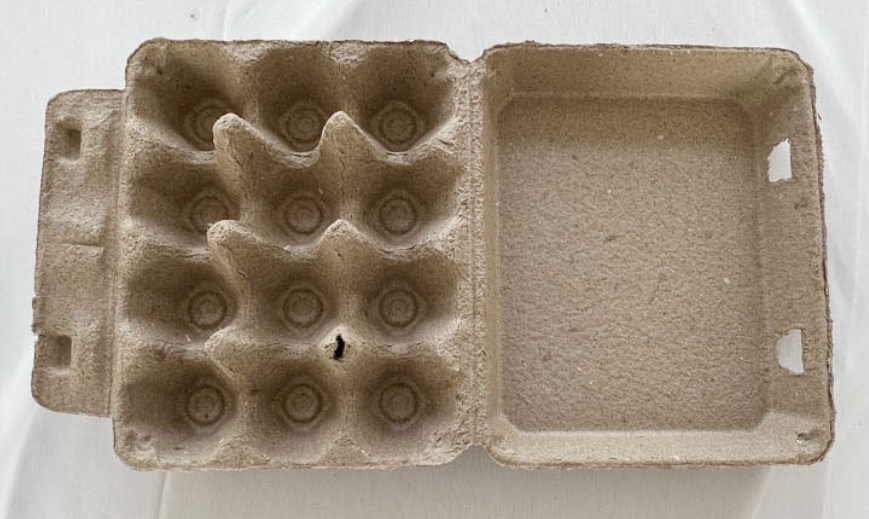
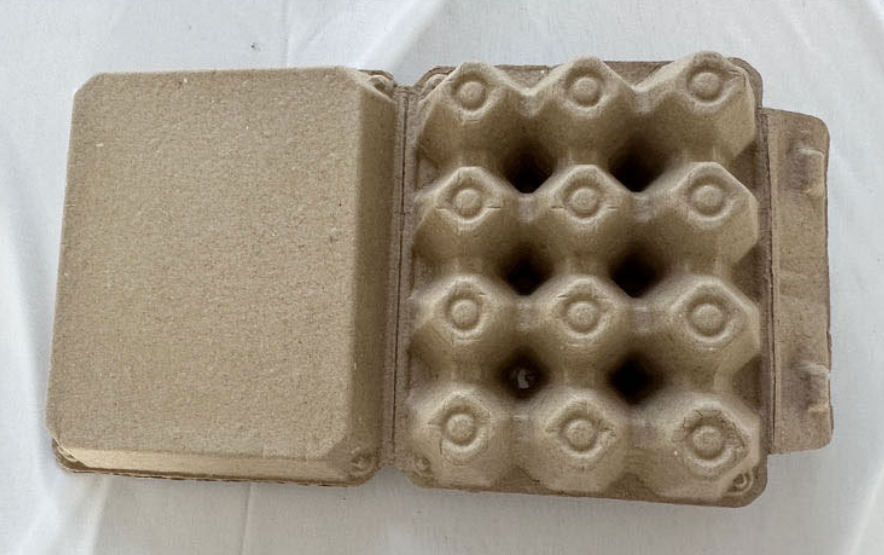
The quail egg pulp tray is designed to provide secure, stable, and protective packaging for quail eggs during handling, storage, and transportation. Made from molded pulp, each tray features individual slots that firmly cradle every egg, preventing movement and collision. The lightweight structure lowers shipping costs, while the rigid pulp body offers reliable cushioning against shocks and vibrations. Its stackable design ensures efficient use of warehouse space and smooth logistics. This packaging solution helps maintain the freshness and integrity of quail eggs until they reach consumers.
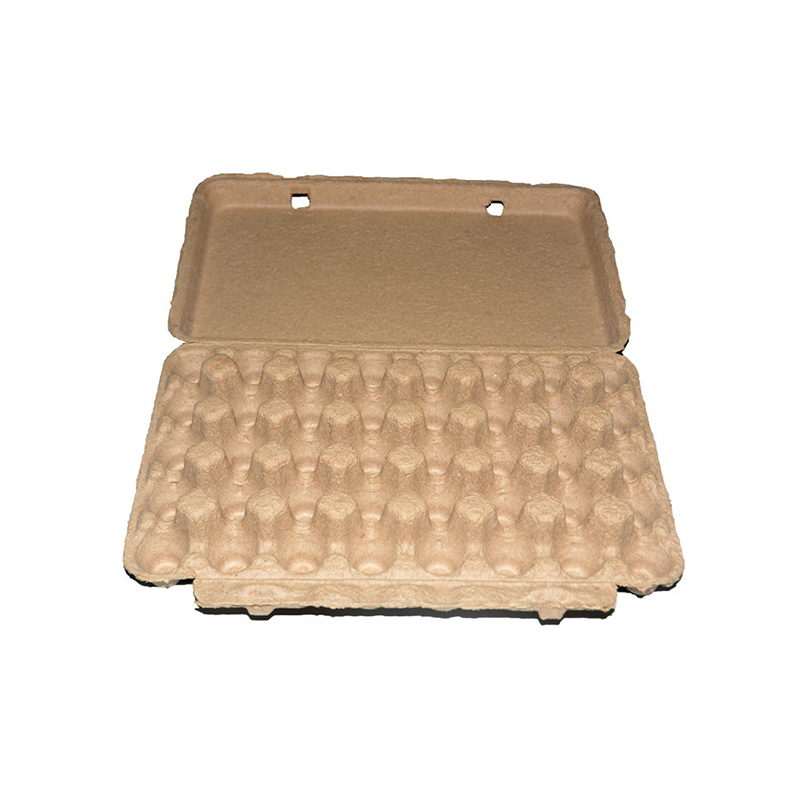
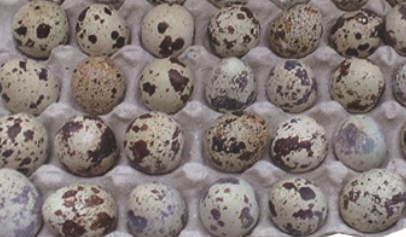
Firm structure protects delicate quail eggs from damage.
Custom cavities reduce friction and surface cracks.
Stackable trays optimize warehouse and transport use.
Lightweight design simplifies bulk distribution.
Quail egg farm packaging and retail sales.
Food distribution and cold chain logistics.
Supermarket quail egg displays and storage.
Export packaging for fresh quail eggs.
| Category | Feature Description |
|---|---|
| Material | Molded Pulp From Recycled Fiber |
| Structure | Rigid With Individual Egg Cavities |
| Design | Stackable And Lightweight |
| Protection | Prevents Cracks, Collisions, And Rolling |
| Usage | Quail Egg Packaging And Transportation |
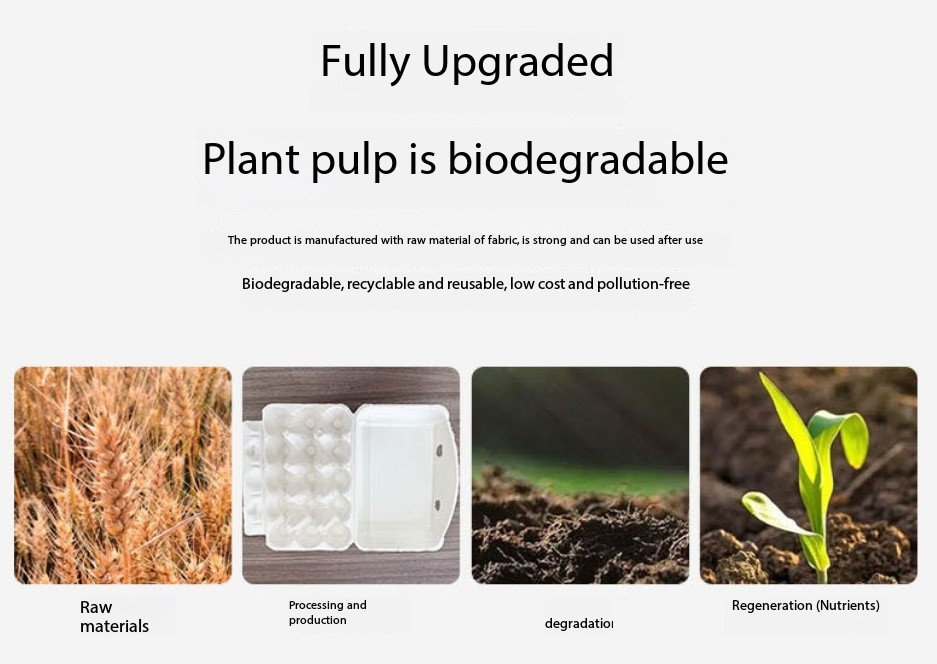
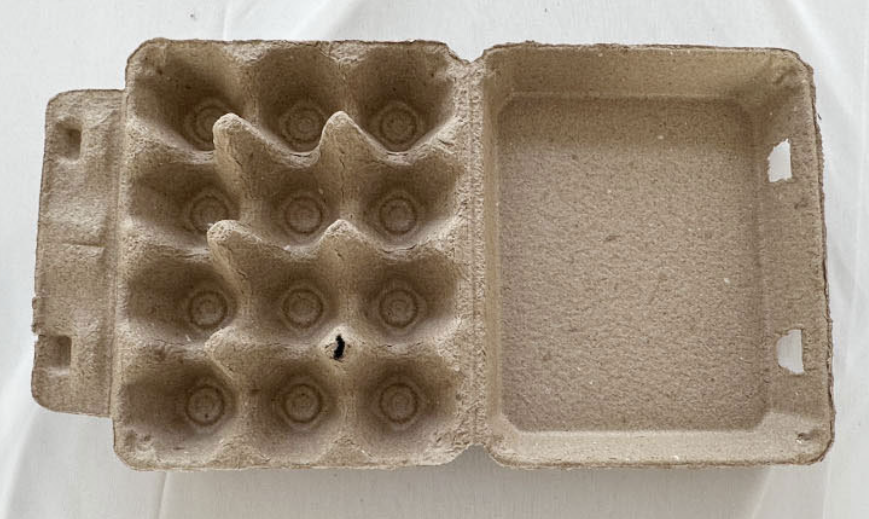
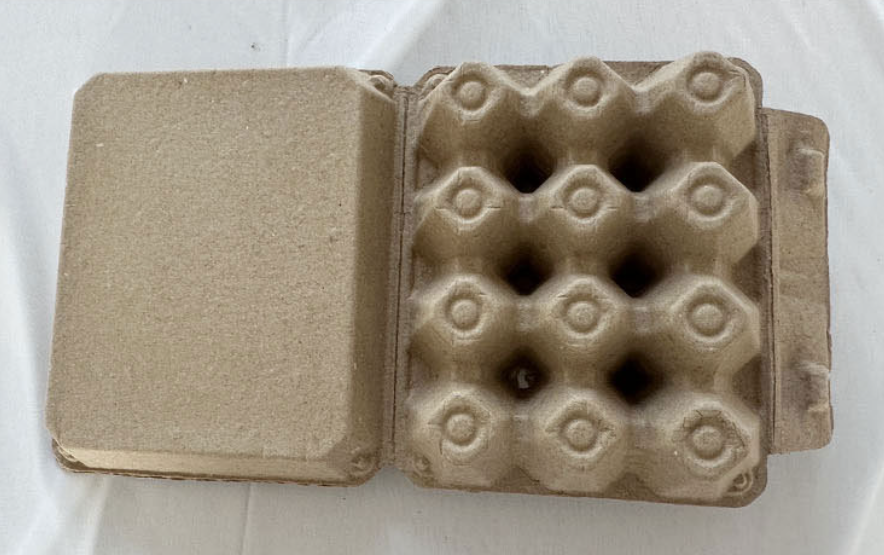
Egg trays are commonly made from paper pulp, plastic (like PP, PVC, or PET), and foam materials such as EPE (expanded polyethylene) . Paper pulp trays are eco-friendly and cost-effective, plastic trays are durable and reusable, while foam trays offer excellent cushioning for protection . The choice depends on usage needs like transport or retail display.
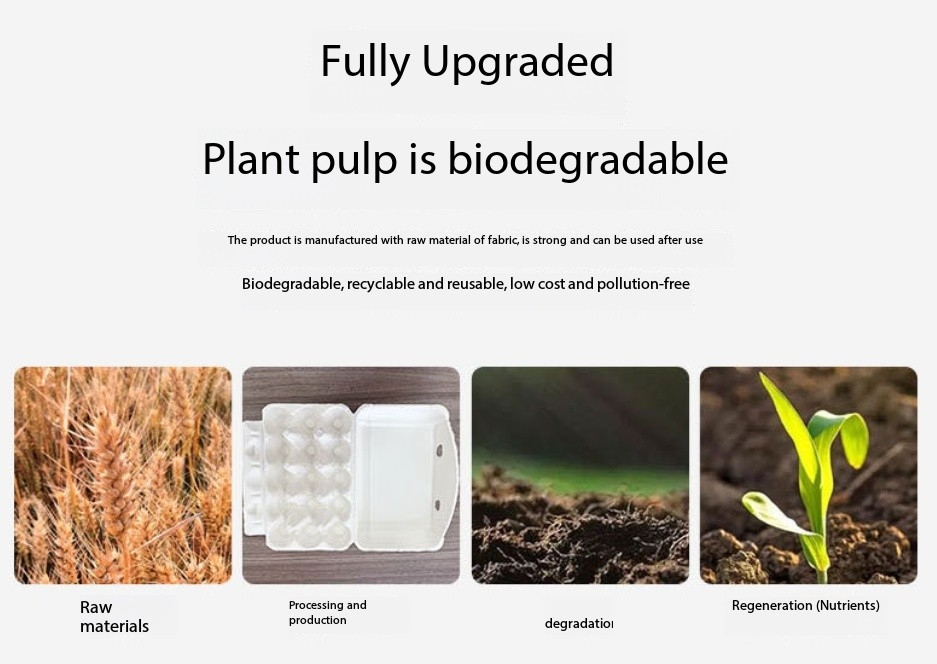
Egg trays are primarily made from two types of materials: Paper pulp: Sourced from recycled paper (e.g., newspapers, cardboard) or natural fibers like sugarcane pulp. These are eco-friendly, biodegradable, and cost-effective, ideal for transportation. Plastic: Such as PVC, PP, or PET, which are durable, waterproof, and often transparent, making them suitable for retail display. The choice depends on needs like sustainability or durability.
Pulp molded products are versatile and used in various sectors: Industrial Packaging: Protective cushioning for electronics, appliances, and fragile items like glass and ceramics. Food Service: Plates, bowls, cups, and takeaway containers as eco-friendly alternatives to plastic. Agriculture: Egg trays, fruit pads, and seedling pots for plant growth and transport. Healthcare: Disposable medical trays, bedpans, and packaging for sterile devices. Emerging Applications: Horticulture pots, creative crafts, and even insulation materials for batteries.
he essential equipment for producing pulp molded products includes: Pulping Equipment: Hydraulic pulper and slurry mixing tanks for preparing pulp . Molding Machine: The core equipment, often using vacuum suction molding (e.g., rotary drum or reciprocating type) to form wet pulp into the desired shape . Drying & Shaping Equipment: Dryer (e.g., tunnel-type) and hot press machine to remove moisture and set the final form . Post-processing Equipment: Trimming machine for neat edges, and often automated systems for inspection, stacking, and packaging .


